
Two, three or four modes: which Dinoster to pick — Quantum Heroes Dinoster transforming dinosaur robot toys
Mode count is the only specification on this site that changes how a child plays, so start there. From the Quantum Heroes Dinoster log of transforming dinosaur robot toys.
Two modes is a sequence a child can own
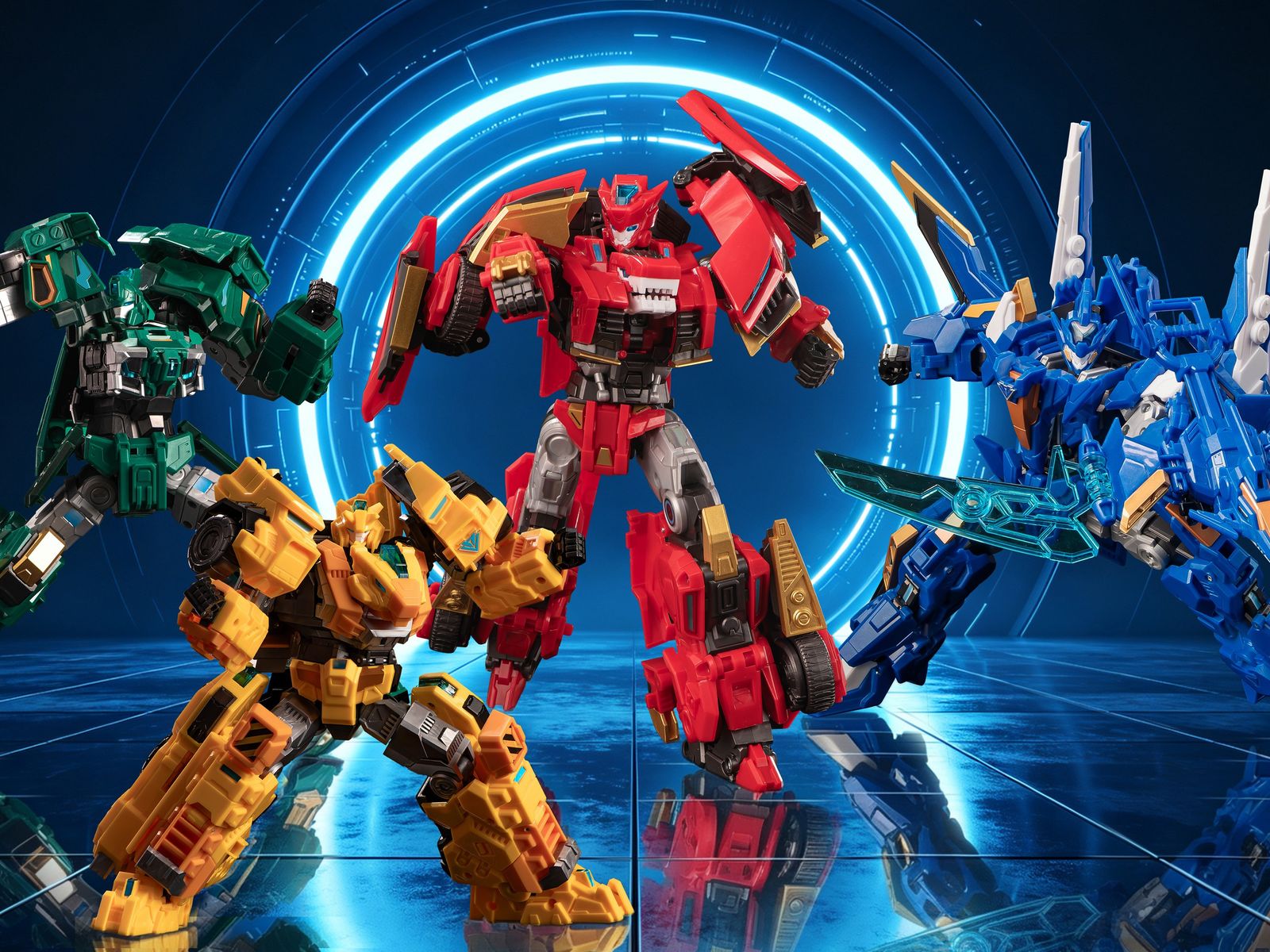
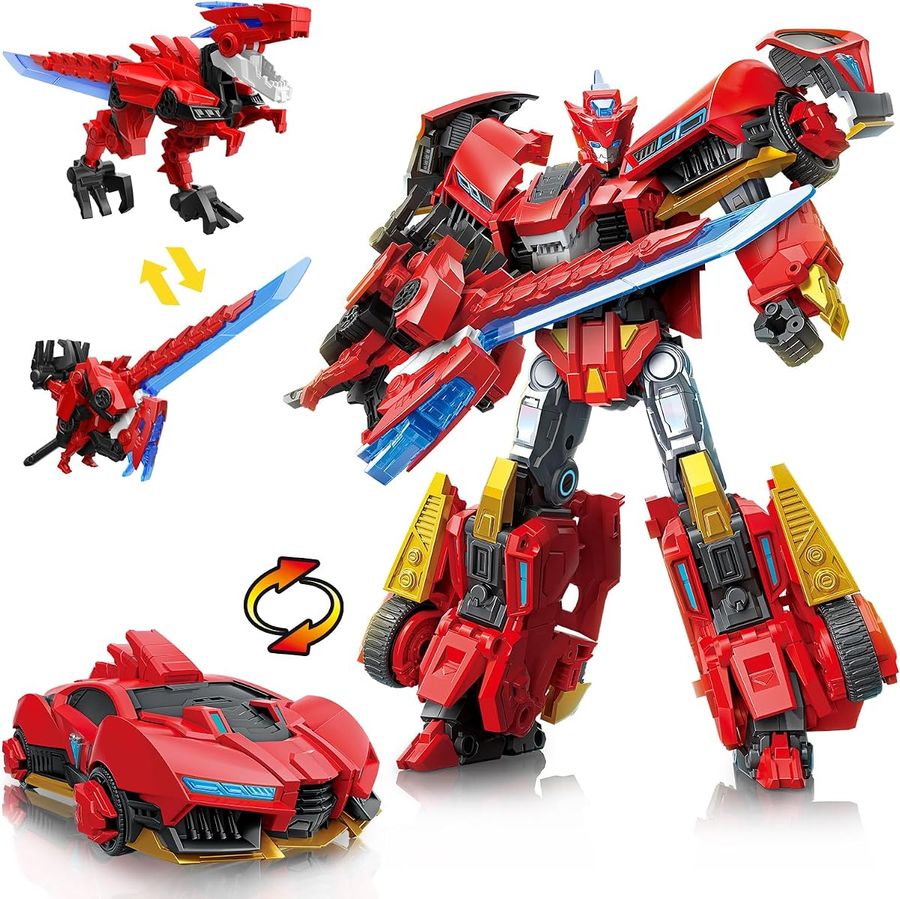
A two-mode robot has one answer and one route to it. Six steps from vehicle to robot, six steps back. Within a week most children stop looking at their hands while they do it.
That is exactly what you want from a first transforming toy. The reward is fluency, not difficulty, and a five-year-old who can run the sequence unaided will do it forty times before the novelty goes.
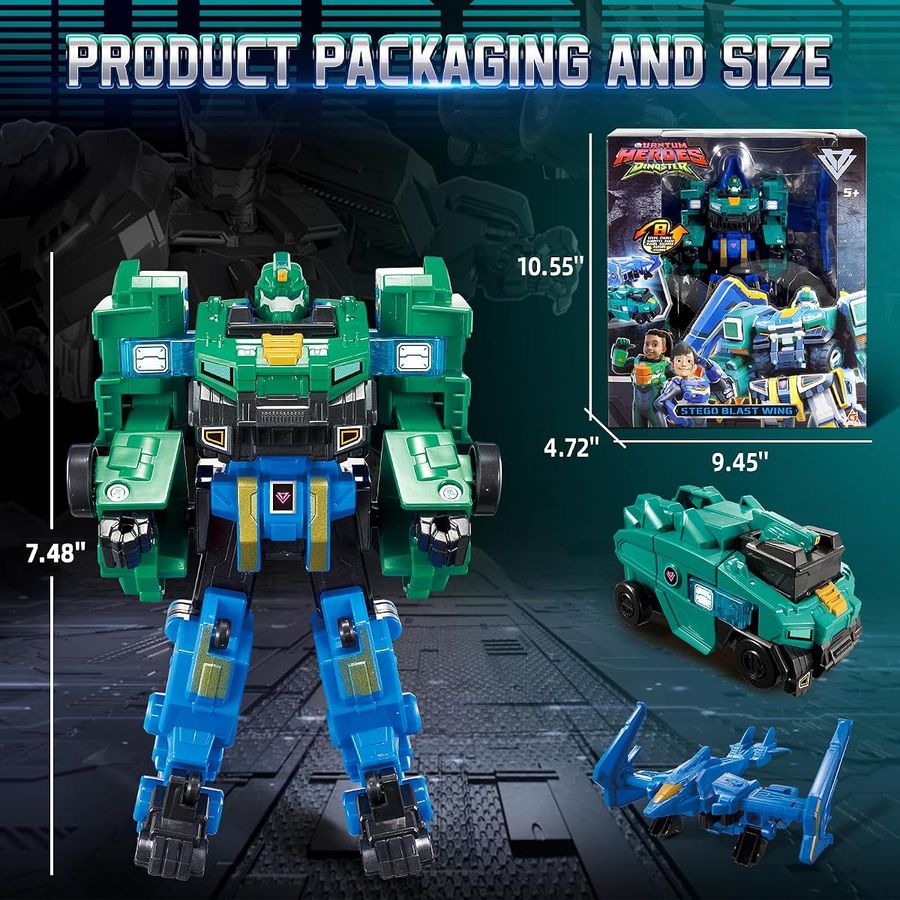
Our two-mode shelf runs from 7.28 to 9.44 inches and from $21.99 to $42.49, so the price range inside one mode count is wide enough to match any occasion.
Three modes is where a choice appears
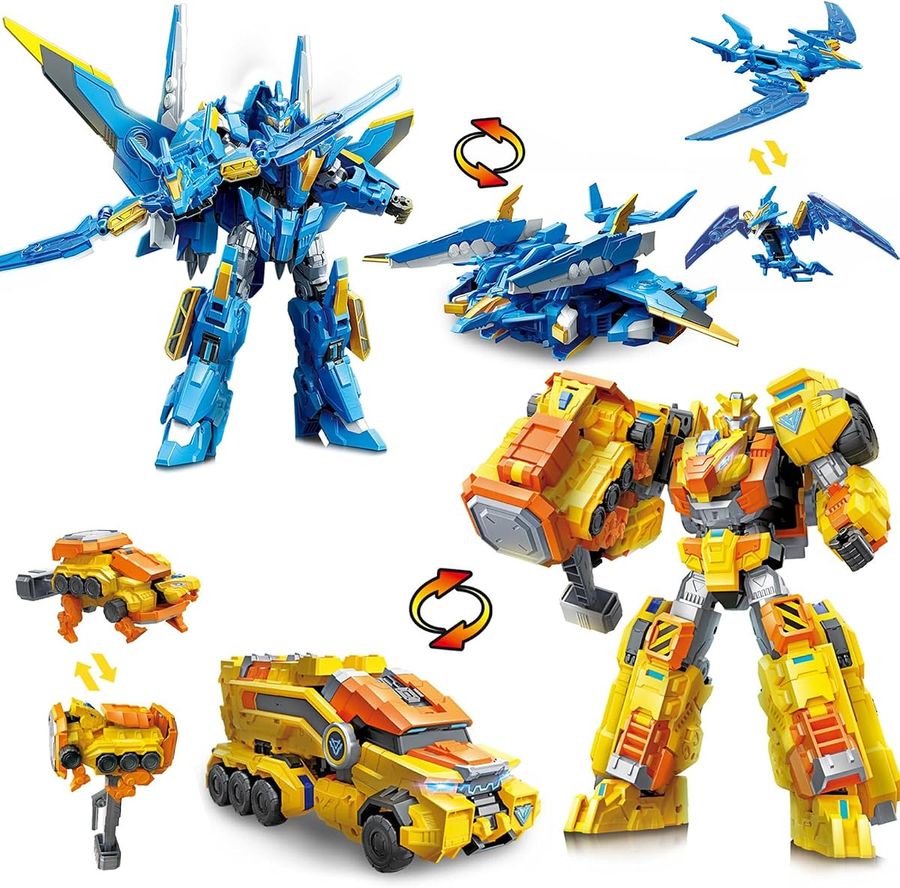
Add a third mode and the child has to decide what the toy is going to be before they start folding. Dino, vehicle, robot — pick one. The sequence is no longer a reflex, it is a plan.
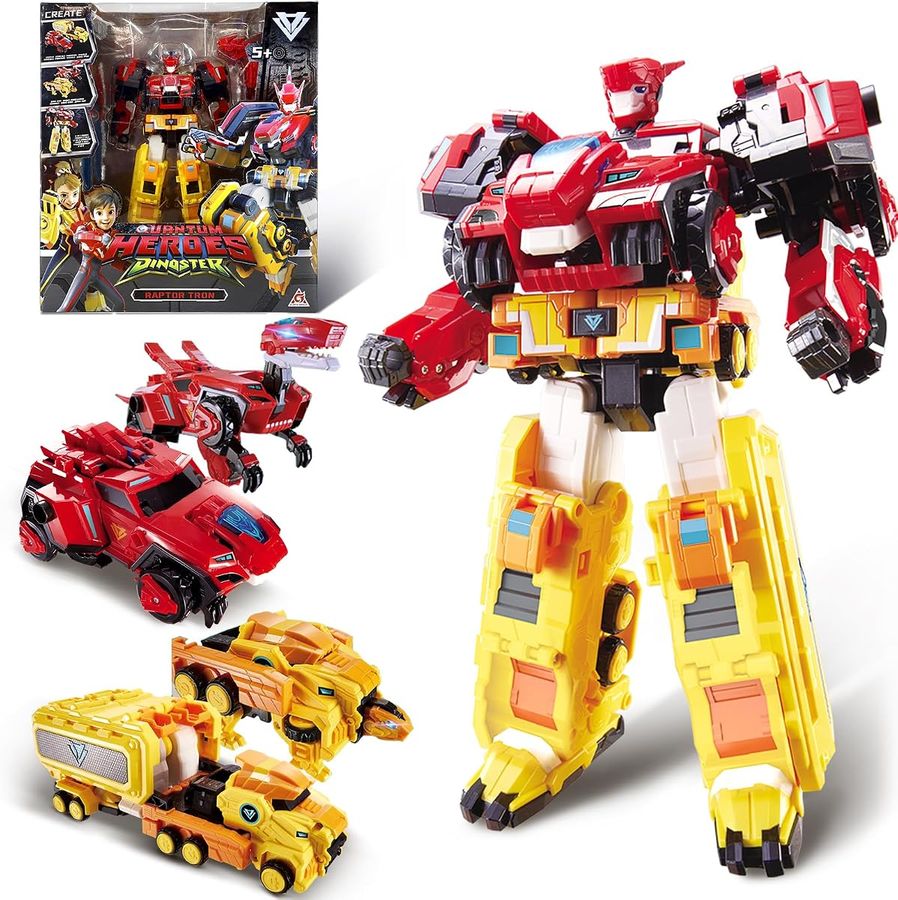
Mosa Storm at 8.66 inches is the gentlest way into this. The eleven-inch dino-and-car and dino-and-jet builds and Raptor Chyron are larger, heavier, and take noticeably longer to run.
Three-mode builds suit a child who already finished the two-mode shelf and started asking for something that takes more than a minute.
Four modes and the Mega build
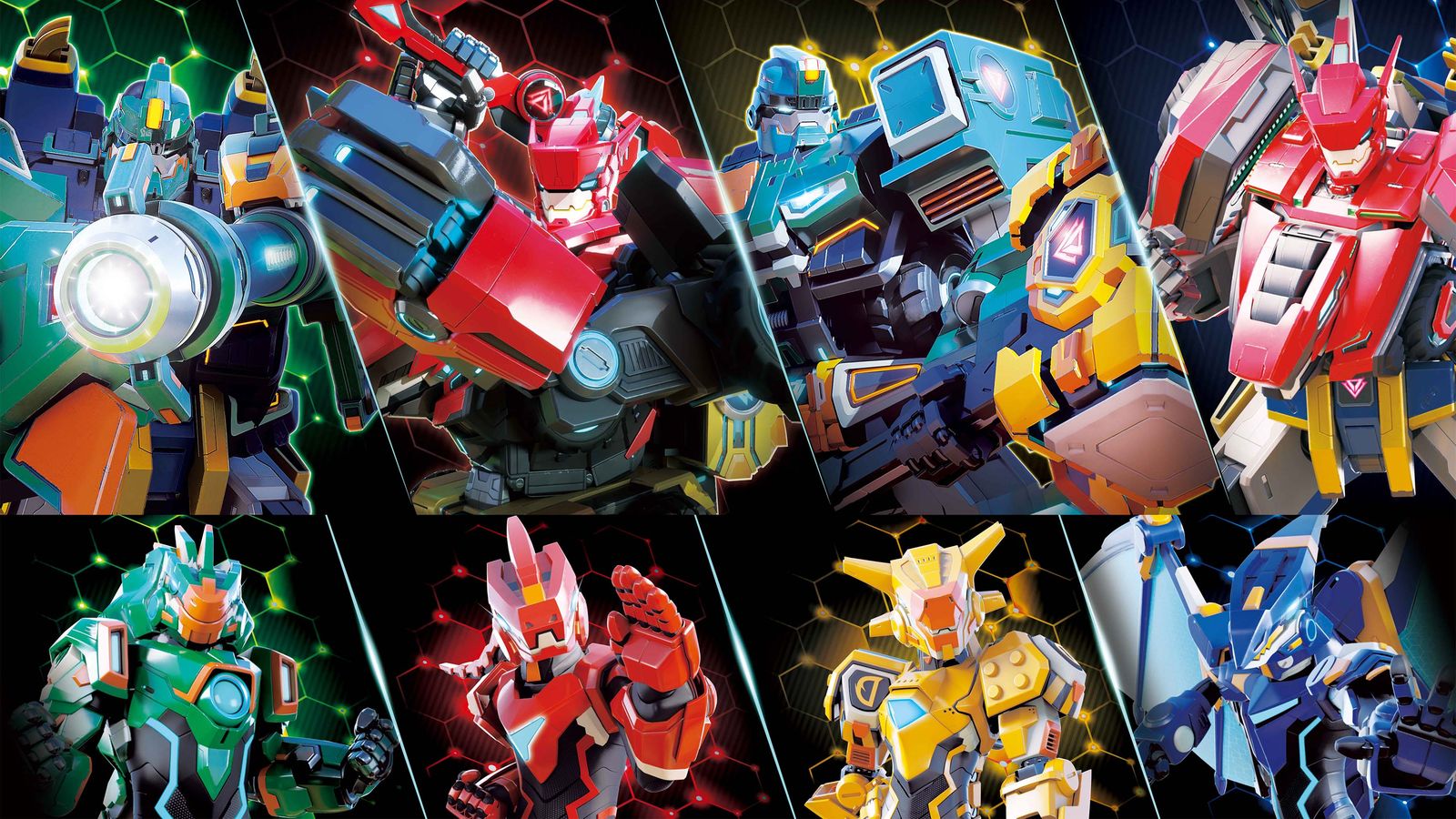
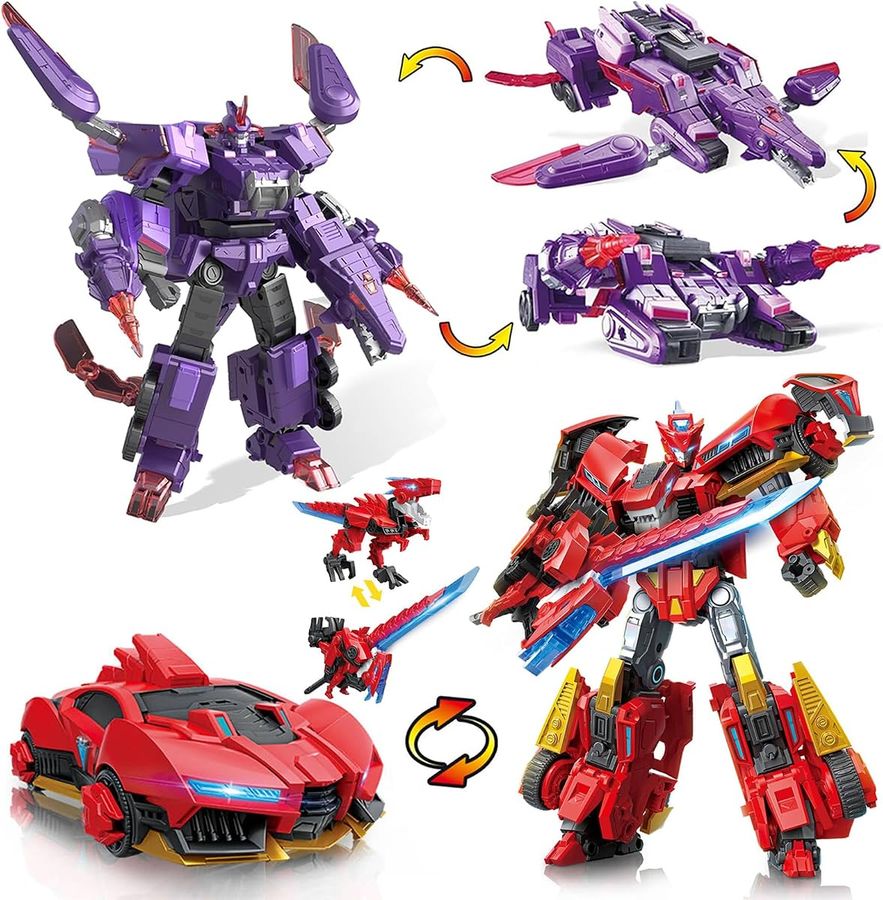
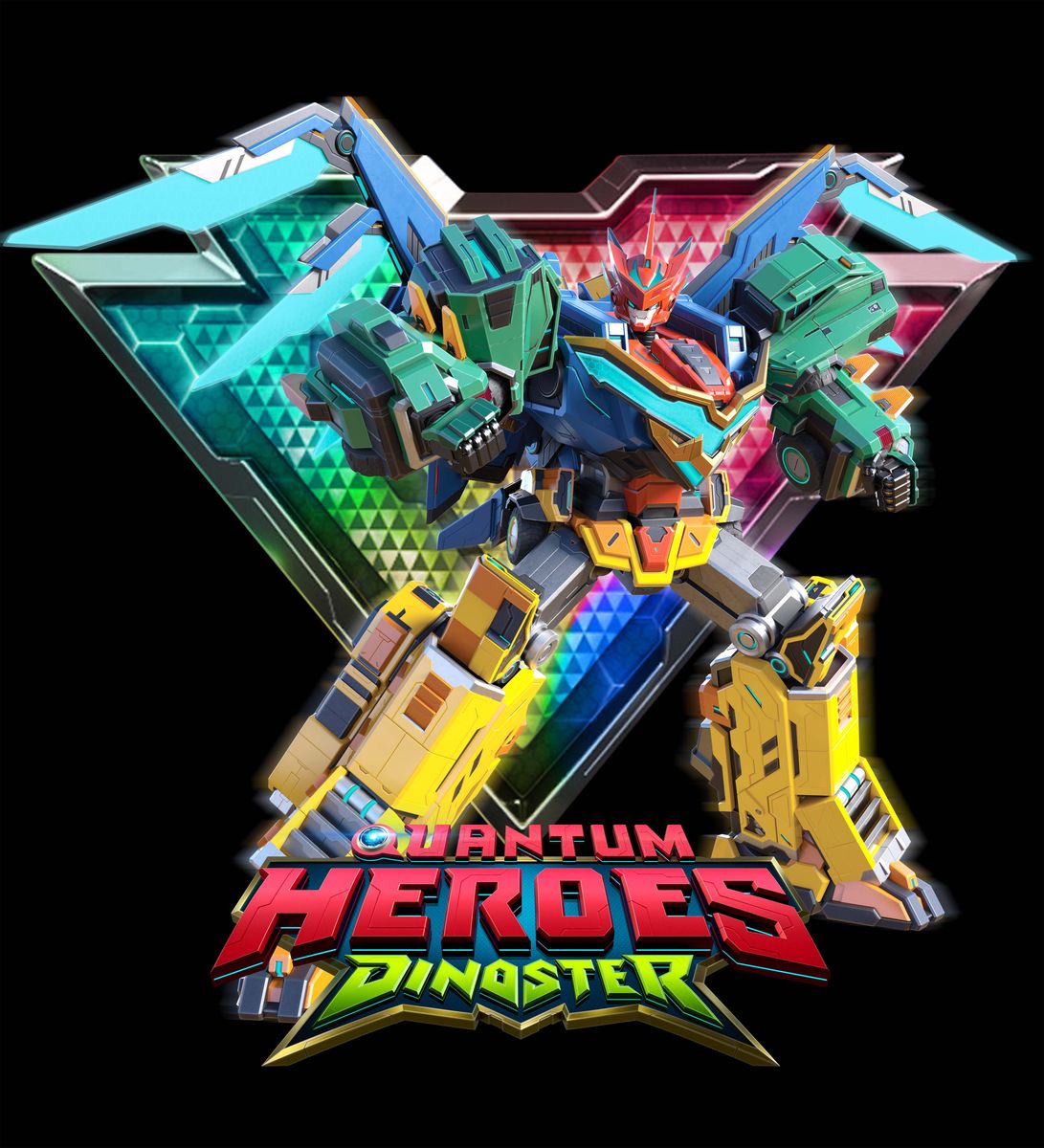
Mega Metatron is the top of the line: four modes, 16.14 inches, and a body that splits into separate vehicles instead of folding into one. It is the robot the rest of the fleet is scaled against.
It is also the one we would not give to a child who is still learning. The step count rewards patience, and patience is something the smaller Dinosters teach first.
If the Mega build is the target, the cheapest honest route is a squad pack that carries it next to a two-mode robot — six modes arrive in one box and the smaller robot is the one that gets handled daily.
The mode count and the Dino-Earth mission
Quantum Heroes Dinoster was made in South Korea: the original is a FunnyFlux Entertainment series, distributed through China by Alpha Group, with the Educational Dinoster System behind the design. That matters for the mode count, because the hi-tech look was drawn for animation and the mould was cut to match.
Four kids, one parallel Earth
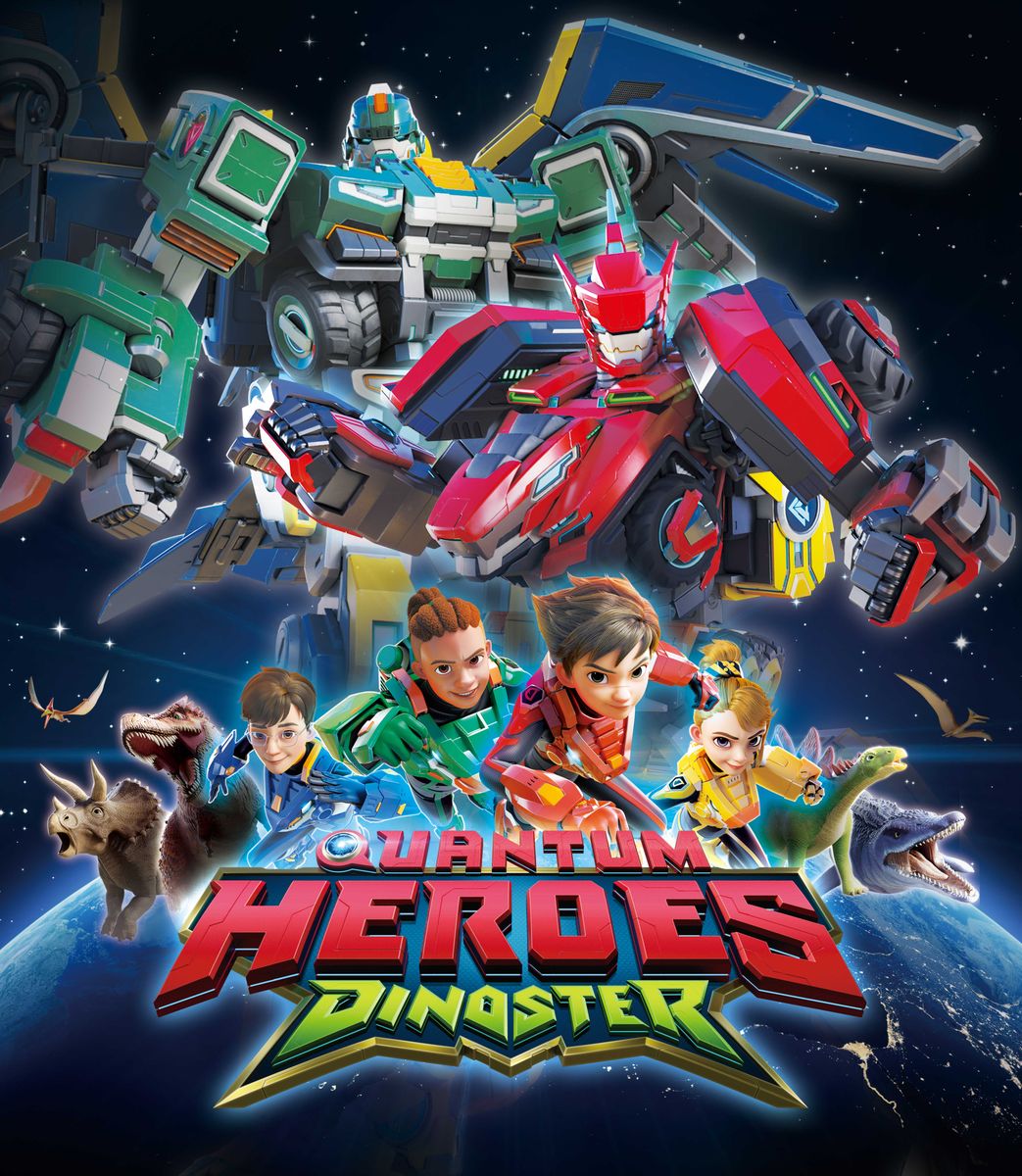
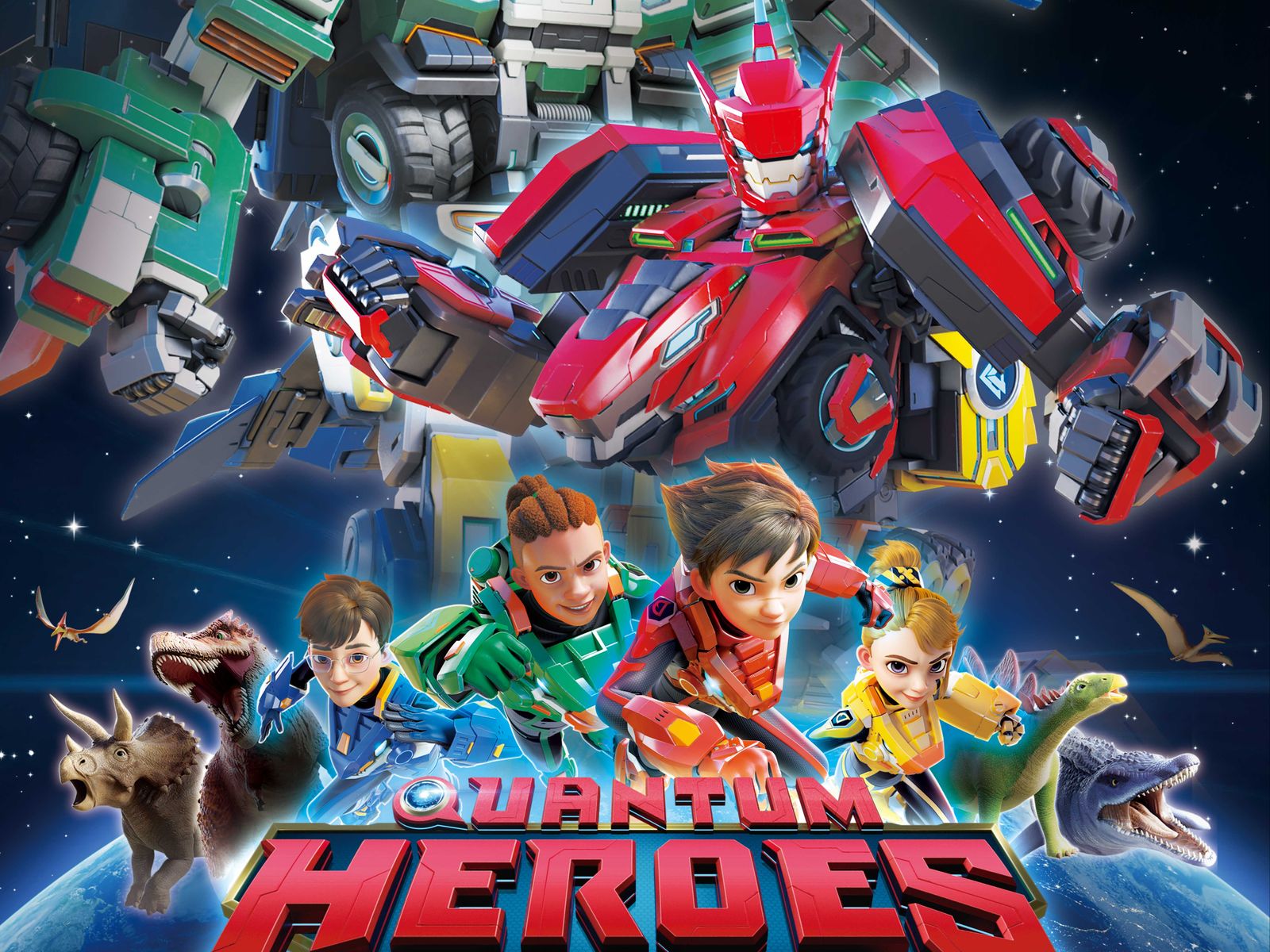
The series asks a child to accept a single premise — a quantum gate, and a parallel Dino-Earth where dinosaurs never went extinct. After that it is four kids who travel across to protect them, episode after episode.
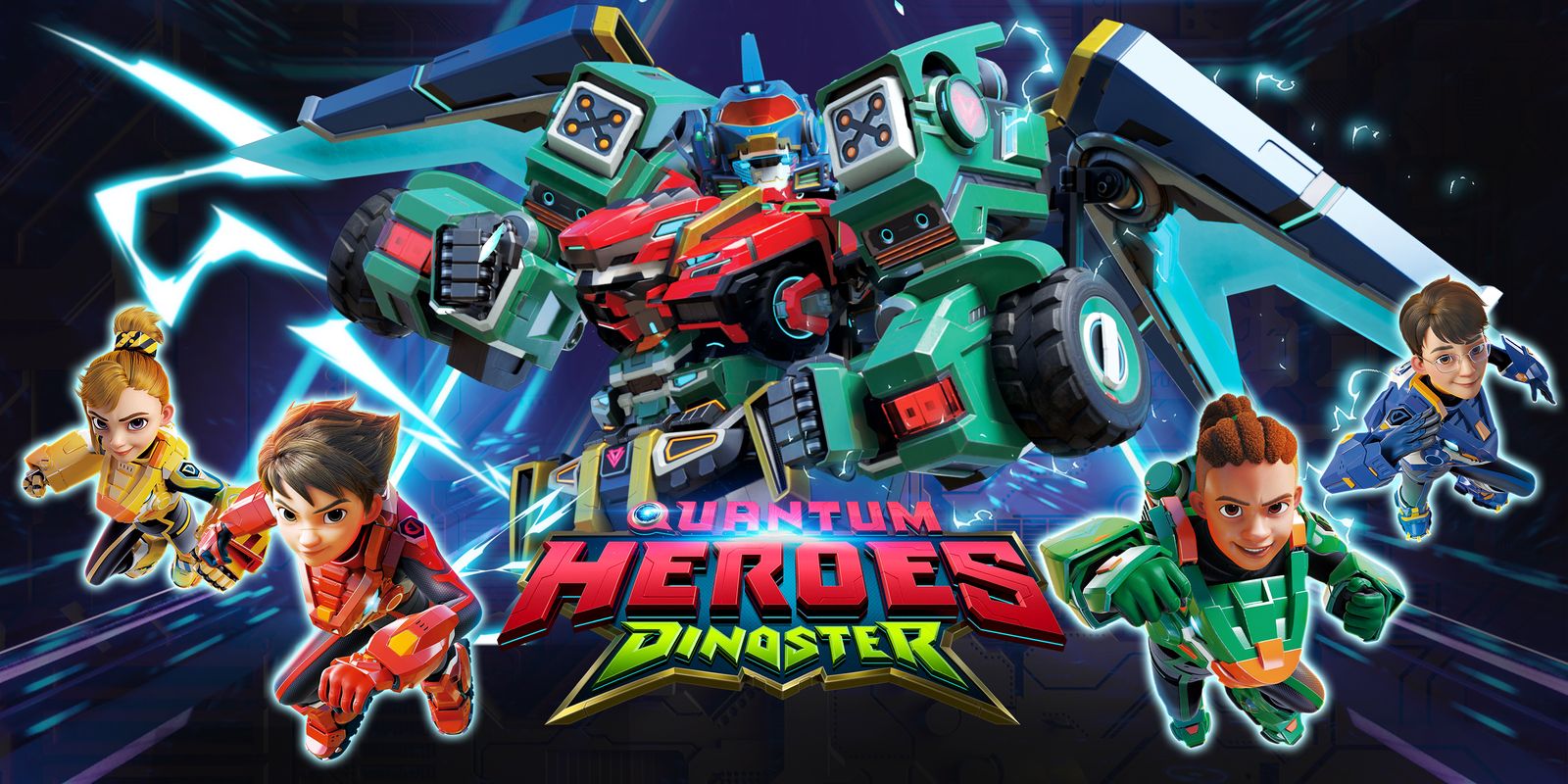
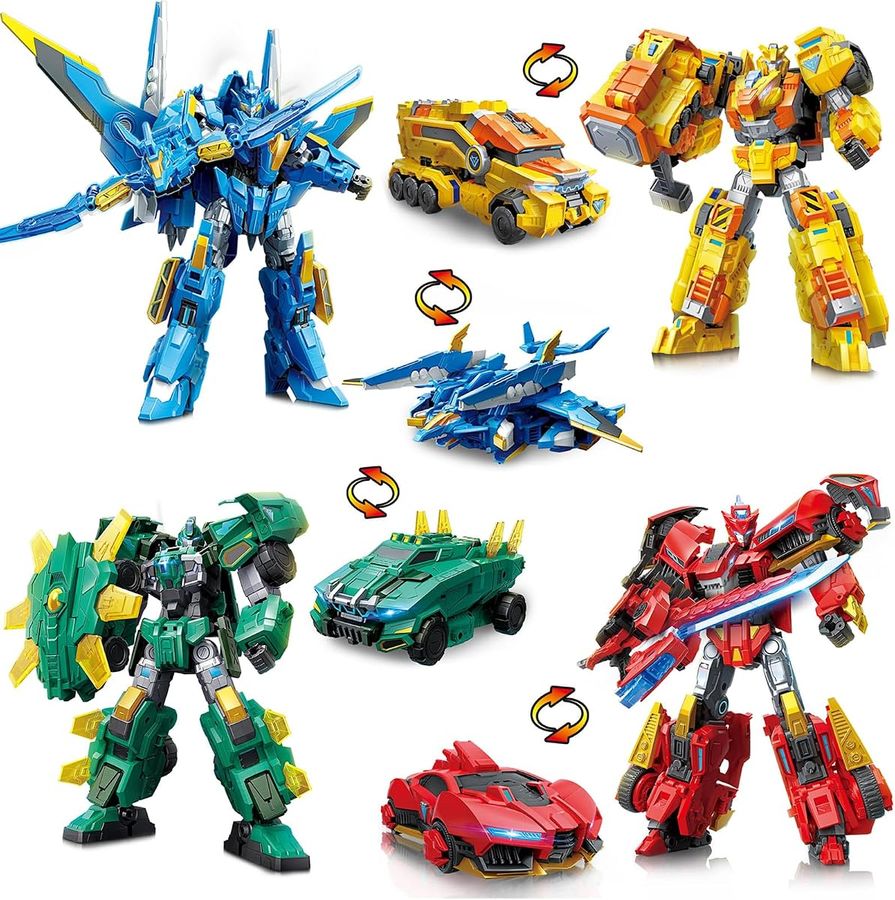
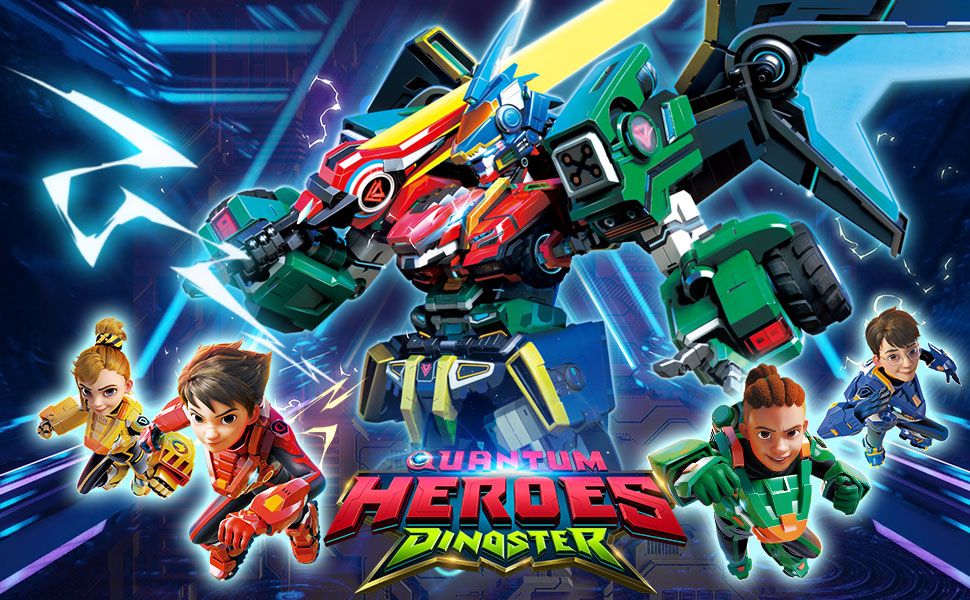
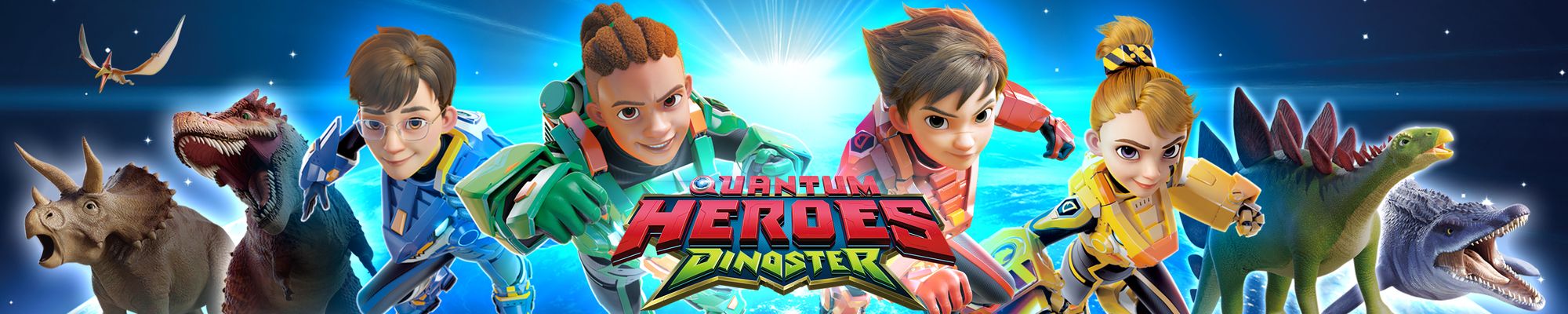
The crew is Lucio, Oz, Delby and Jay Min, and each of the four kids drives one Dinoster:
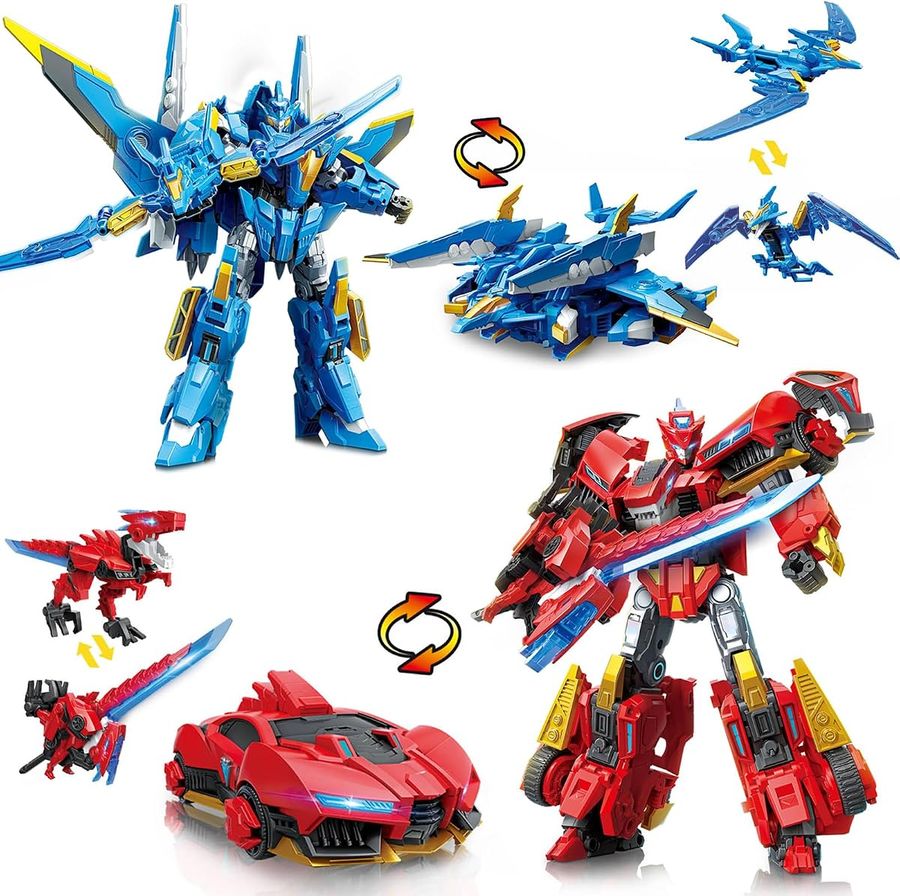
- Lucio — Raptor Dinoster, red suit
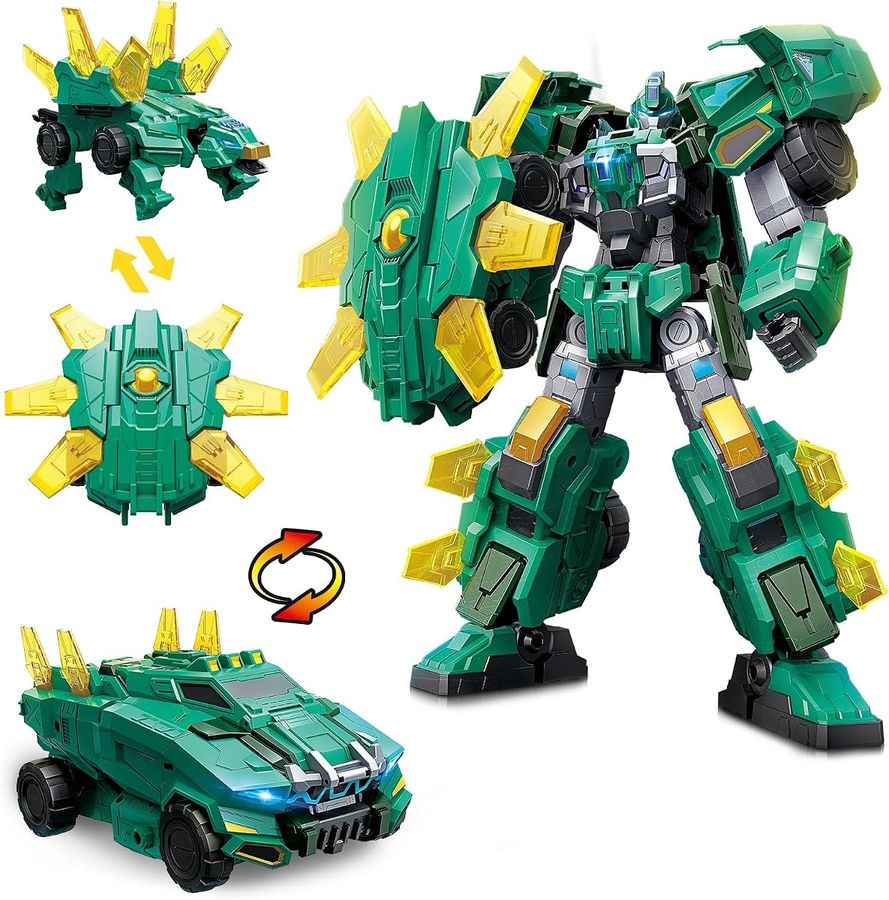
- Oz — Stego Dinoster, green suit
- Delby — Ankylo Dinoster, yellow suit
- Jay Min — Ptera Dinoster, blue suit
Professor Laura leads the mission and decides which danger is worth the travel, hi-tech quantum suits keep the team alive, and transforming vehicles get them to the dinosaurs on the same day.
What the crew is up against
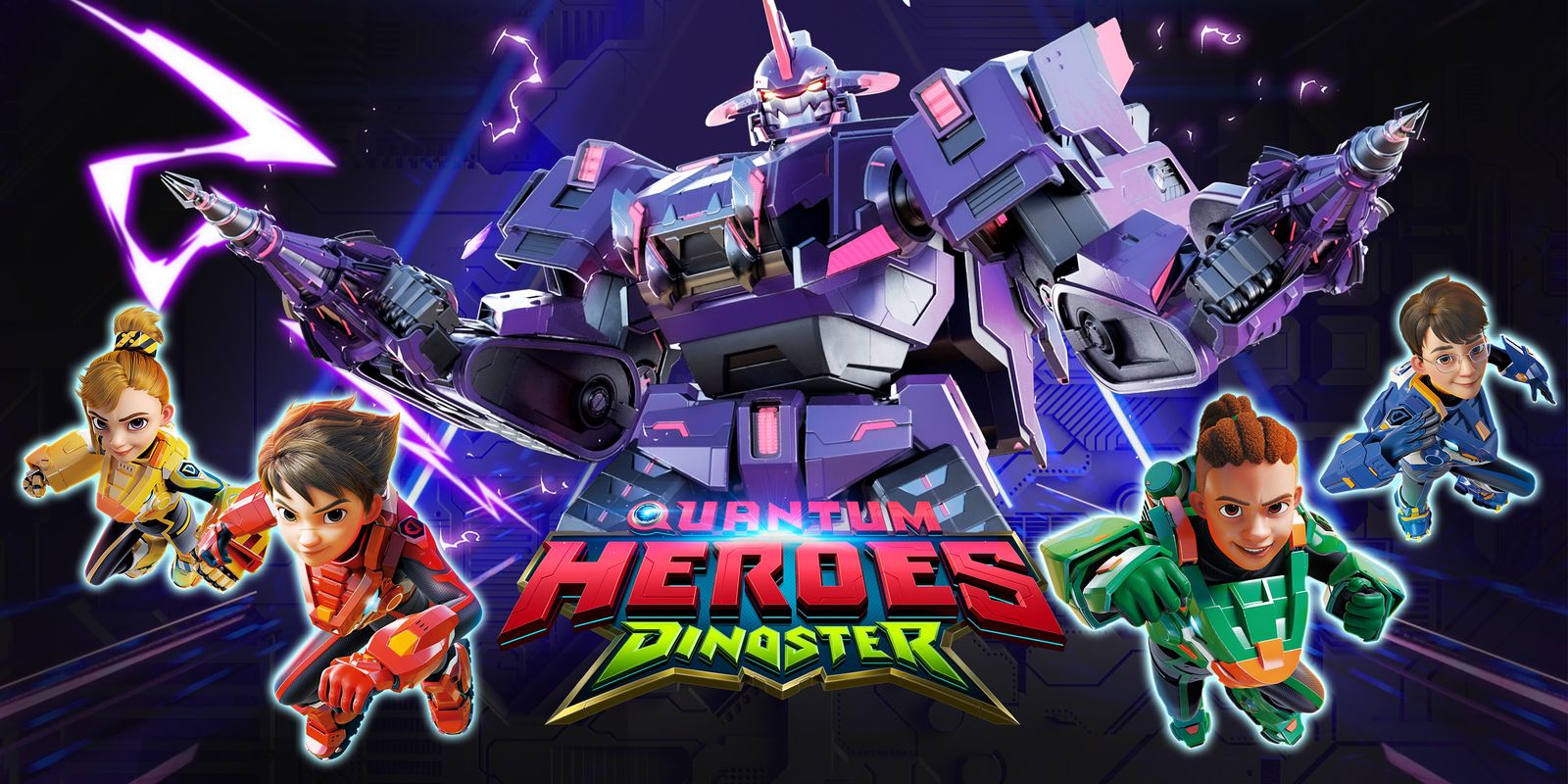
Opposite the team stands the villain: Bex Hunter, a scientist who would rather own dinosaurs than save them, and who reassembles the ones he catches as Armorsaurs by the end of every season. Extinction stays on the table for all three seasons, so joining the mighty fleet the mode count belongs to is about taking a dinosaur out of danger and saving it again.
Mega-build episodes worth starting with
Each episode is roughly eleven minutes long; the full run is three seasons and seventy-eight episodes. These are the mega-build episodes worth starting with for the mode count:
- The Metatron Meets Red Rex
- In the Clutches of Bex Hunter
- The Incoming Asteroid Emergency
- The Gigantic Giganotosaurus
- Attack of the Black T-Rex
- The Final Showdown! Dinoster vs. Bex Hunter
Three seasons, in short
Welcome to Dino Earth is where it starts; the Super Dino Suit is the mid-run upgrade; a Carnotaurus teleports through a school in one of the better episodes. Around those sit a baby raptor rescue, a pterosaur egg, a dino dentist, a living fossil fuss, a magnetic Mononykus and a giant Iguanadon migration.
Every dinosaur name here is a real one
Dinoster names are not invented. A Triceratops is a Triceratops, a Brachiosaurus is a giant, and the T-Rex is the one the villain comes back for. A sample of what the series has put on screen:
- Tarbosaurus
- Therizinosaurus
- Brachiosaurus
- Pterosaur
- Baryonyx
- Stegosaurus
- Apatosaurus
- Iguanadon
The shape every episode keeps
Every episode keeps the same shape: the team studies the animal, learns what it needs, takes the danger off the table and walks back through the gate. Nobody makes a mighty speech about it. The English dub keeps the names the original used, so an animal called a Triceratops in one country is a Triceratops in the next, and saving it is the only win. A magnetic Mononykus, a troublemaking pterosaur egg and a school full of raptors are all real episodes, which is the level of detail here.
How to see it in English
It has been dubbed for more than one country, but the English run for the United States — live since 28 August 2023, a season after South Korea — is the one most owners have seen. Two episodes are the cheapest way to find out whether a child wants the mode count or something else on the shelf.
Buying Quantum Heroes Dinoster transforming dinosaur robot toys
Pick by how much folding, not how much plastic. A two-mode robot is run from memory by the weekend; three modes make the child choose a shape; the four-mode build is a set of vehicles that happens to assemble.
Where Quantum Heroes Dinoster sits on a toy shelf
The line is easy to summarise: transforming dinosaur robot toys taken from a series about four kids, a professor and a parallel Earth full of dinosaurs. Sizes run from five to sixteen inches, the material is moulded ABS, and no box in the range needs a battery.