
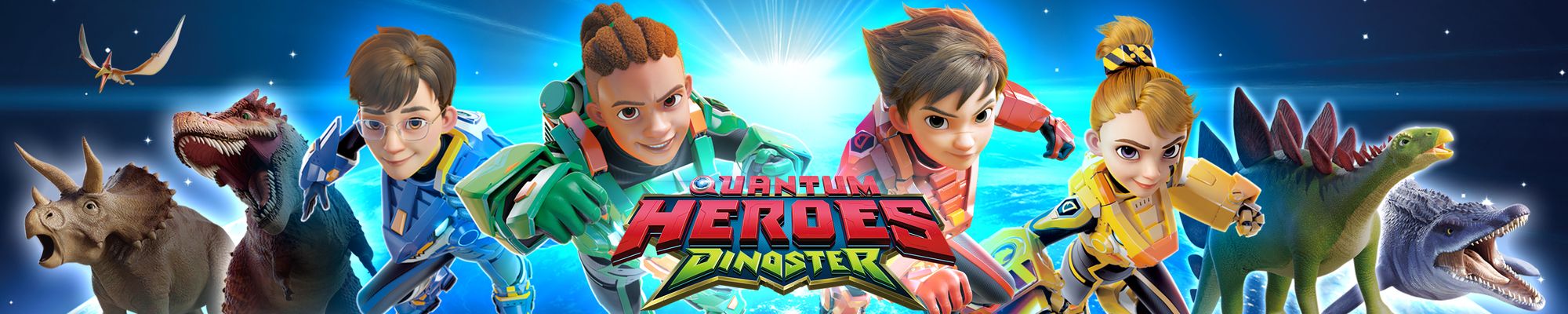

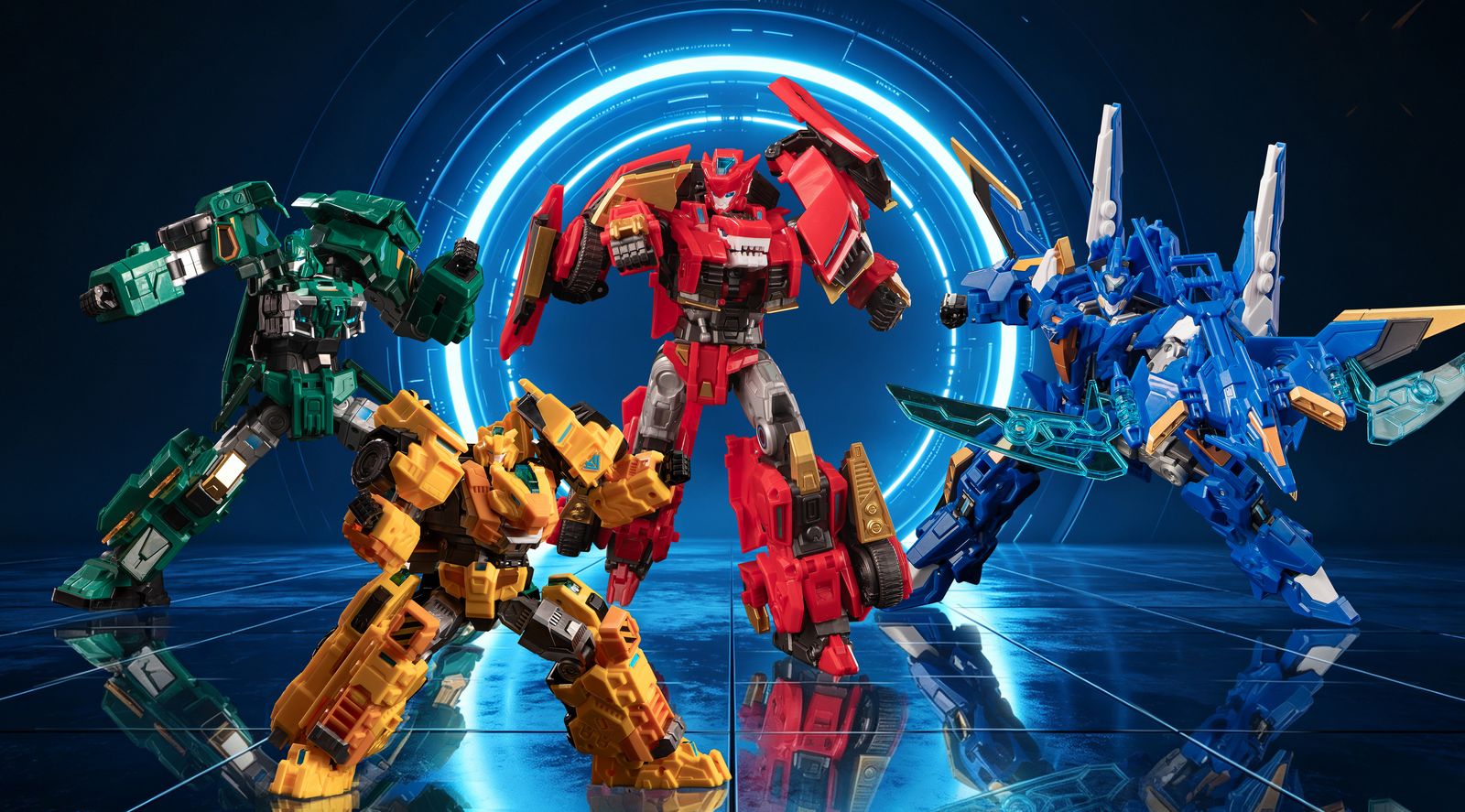
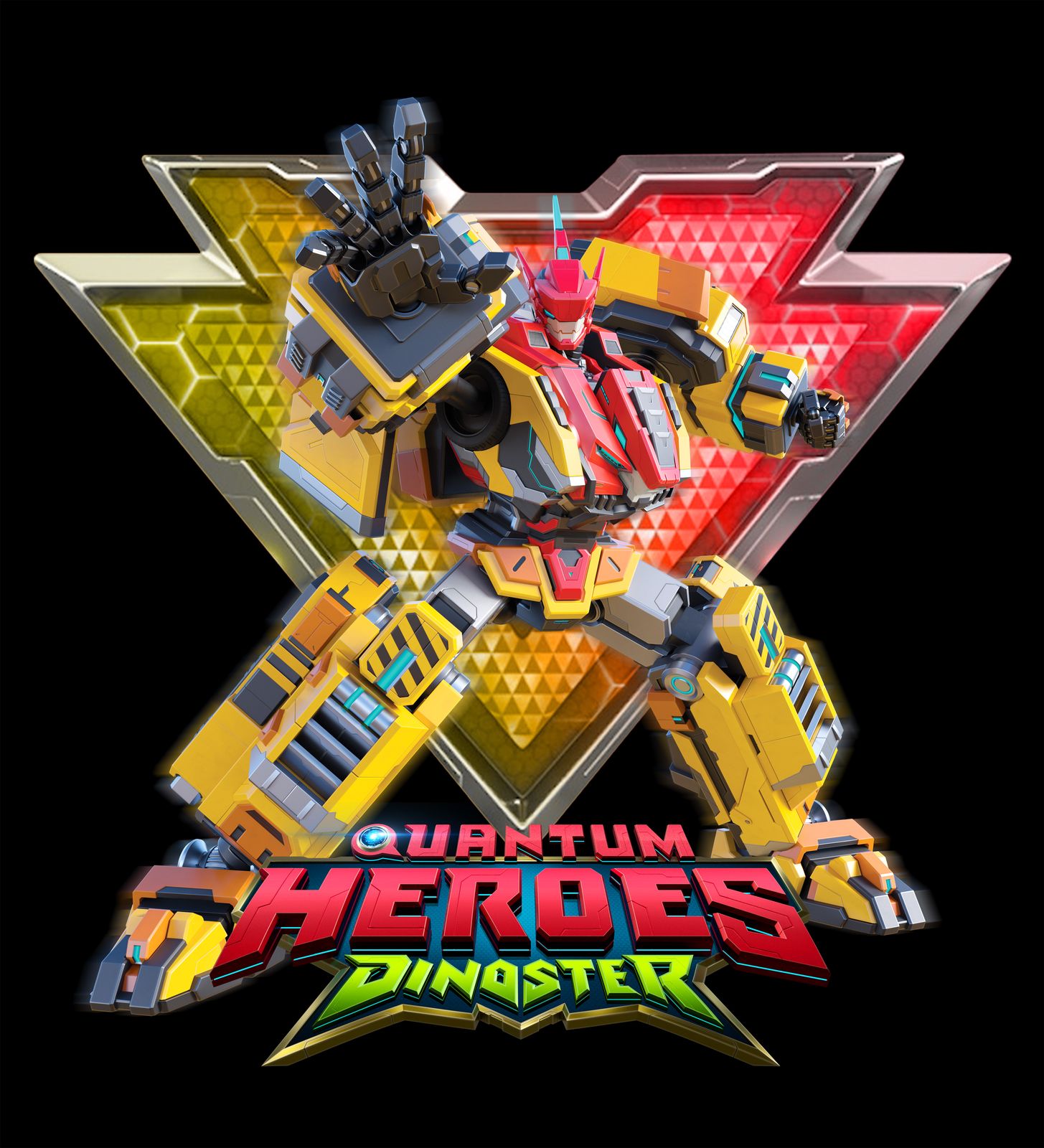
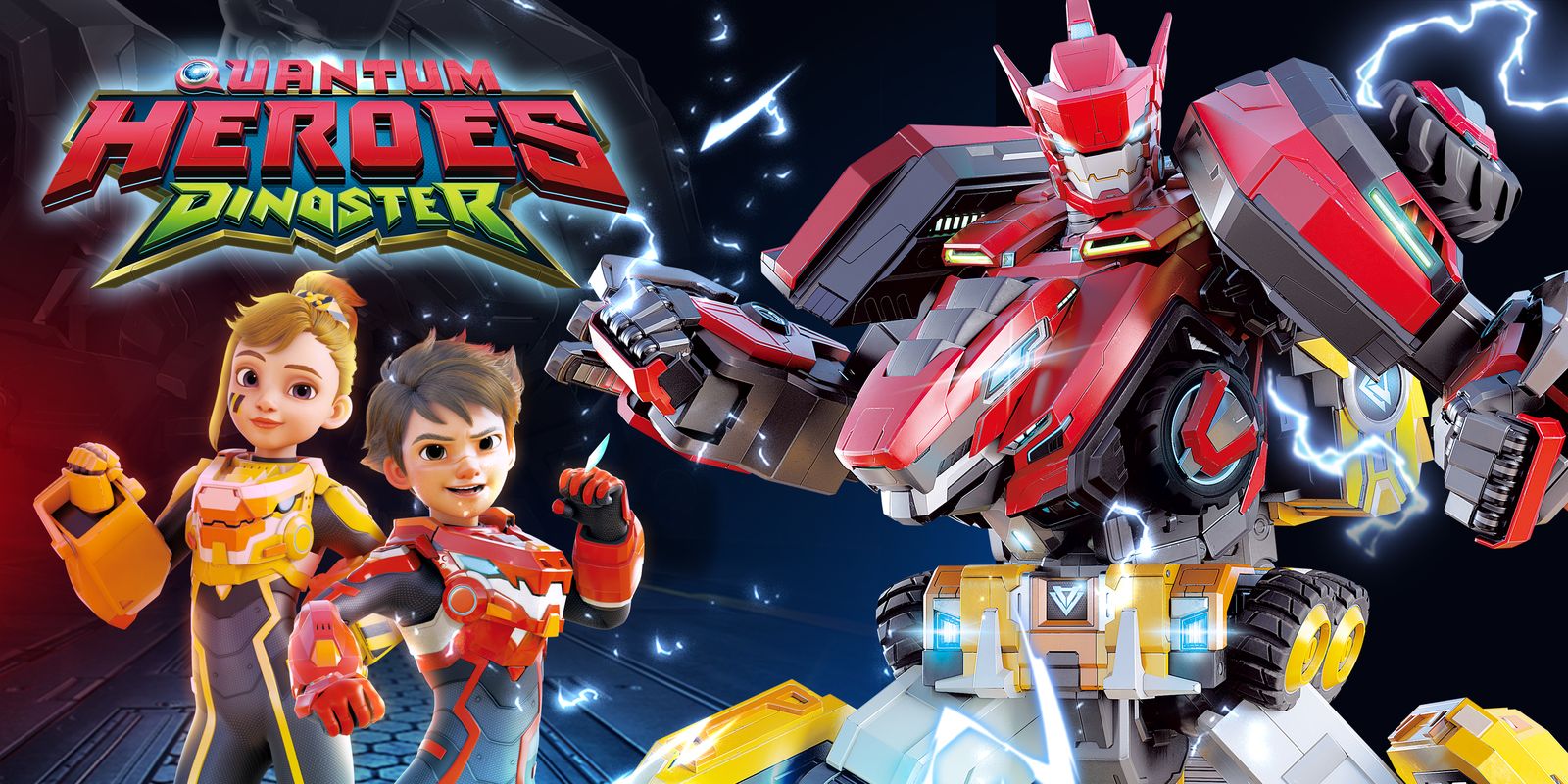
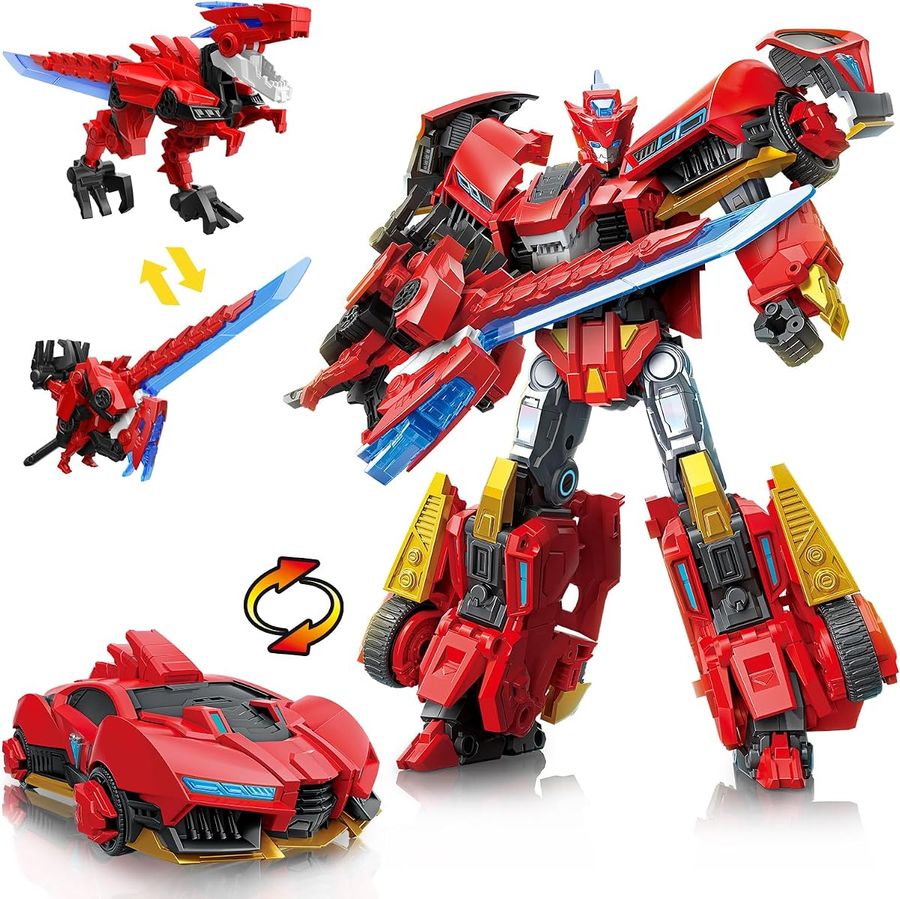
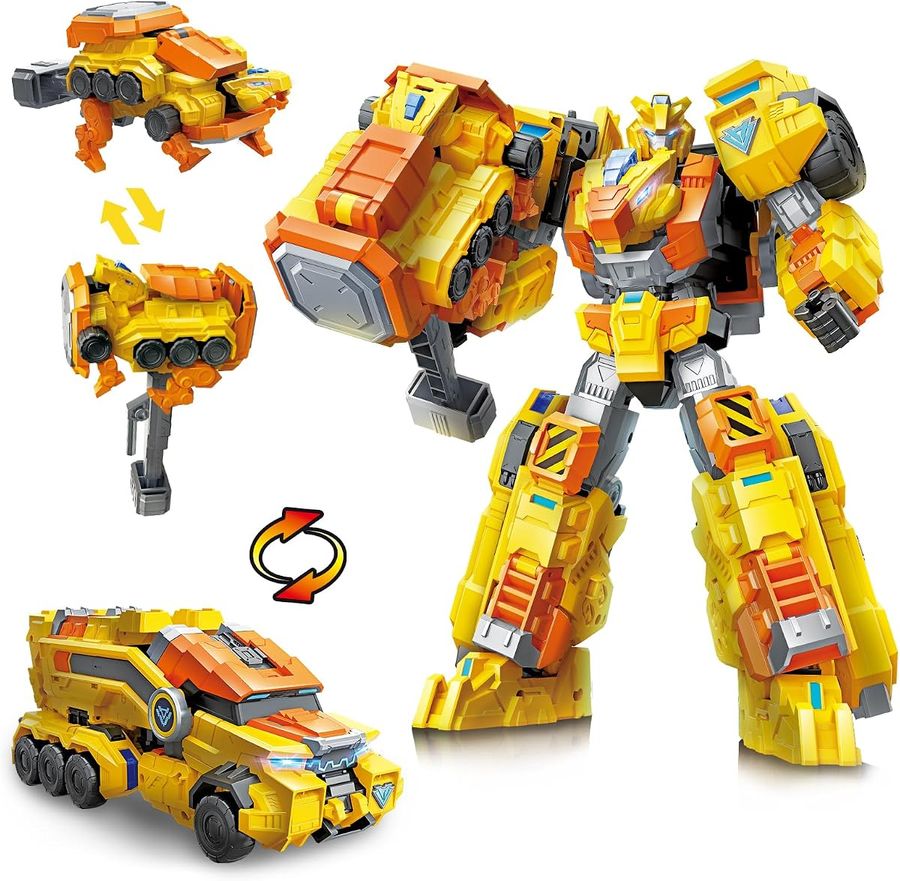
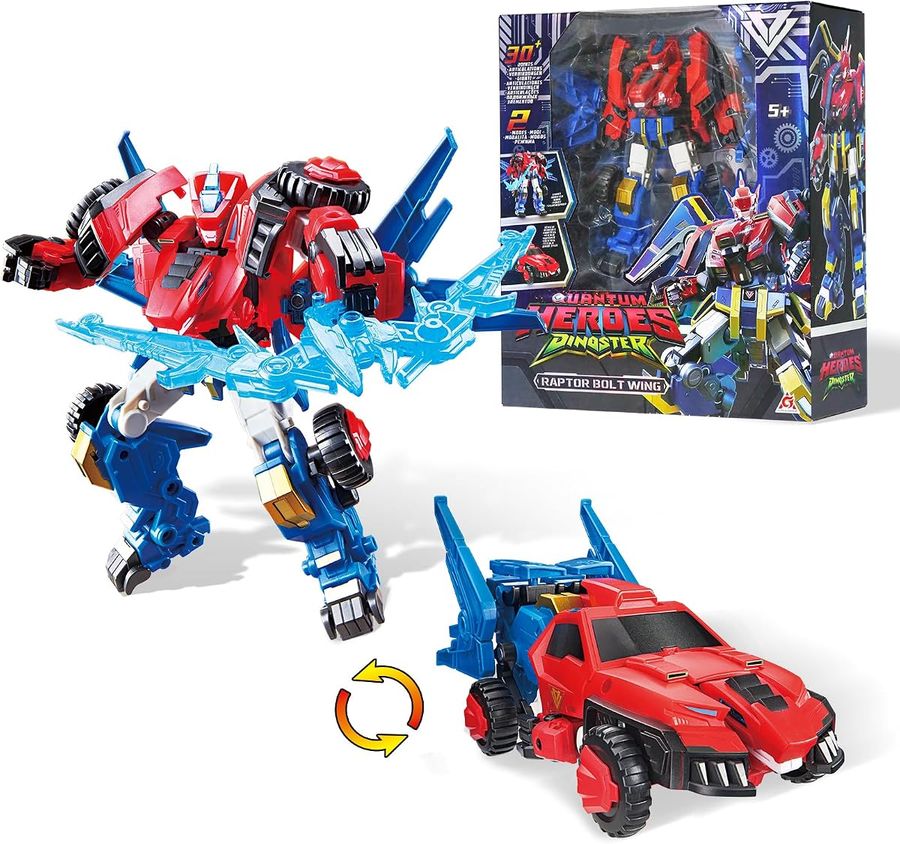
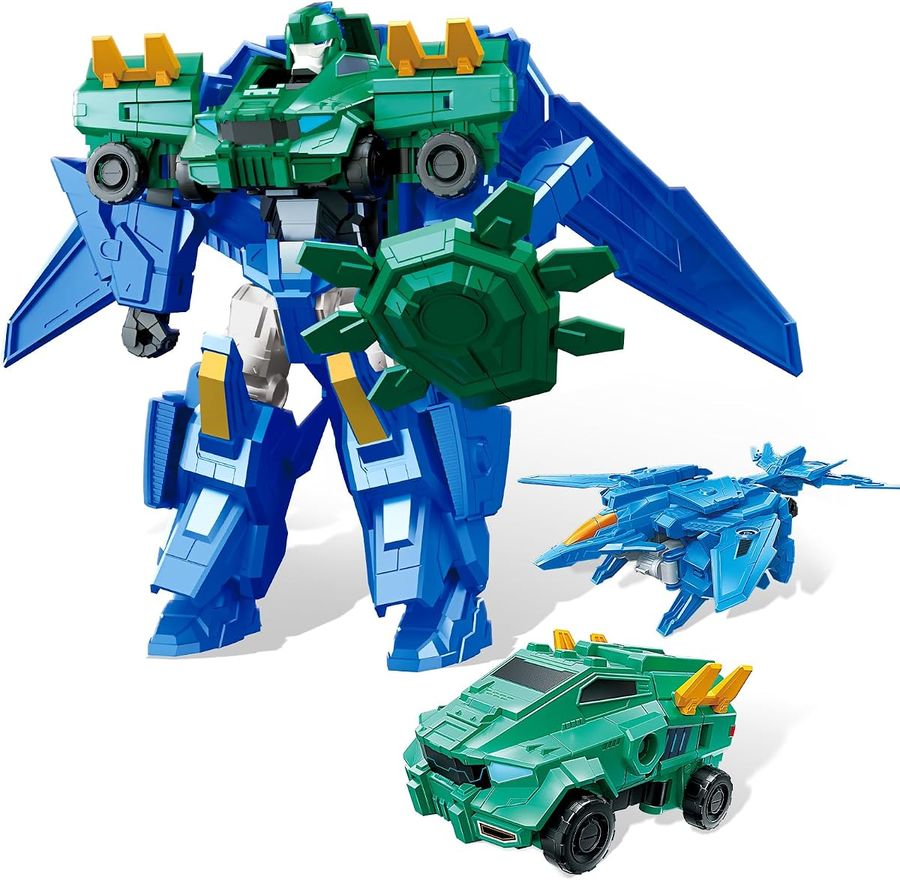
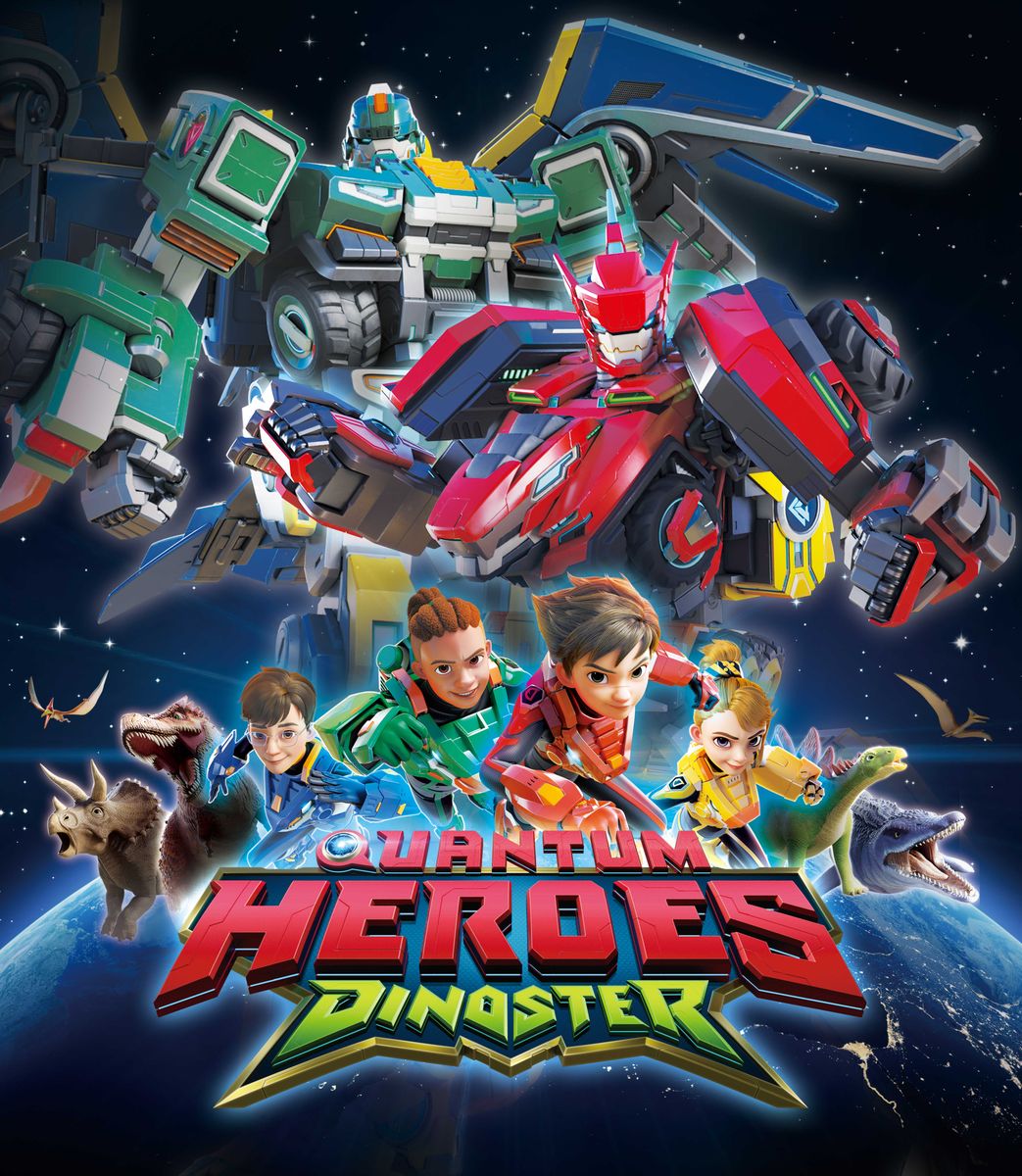
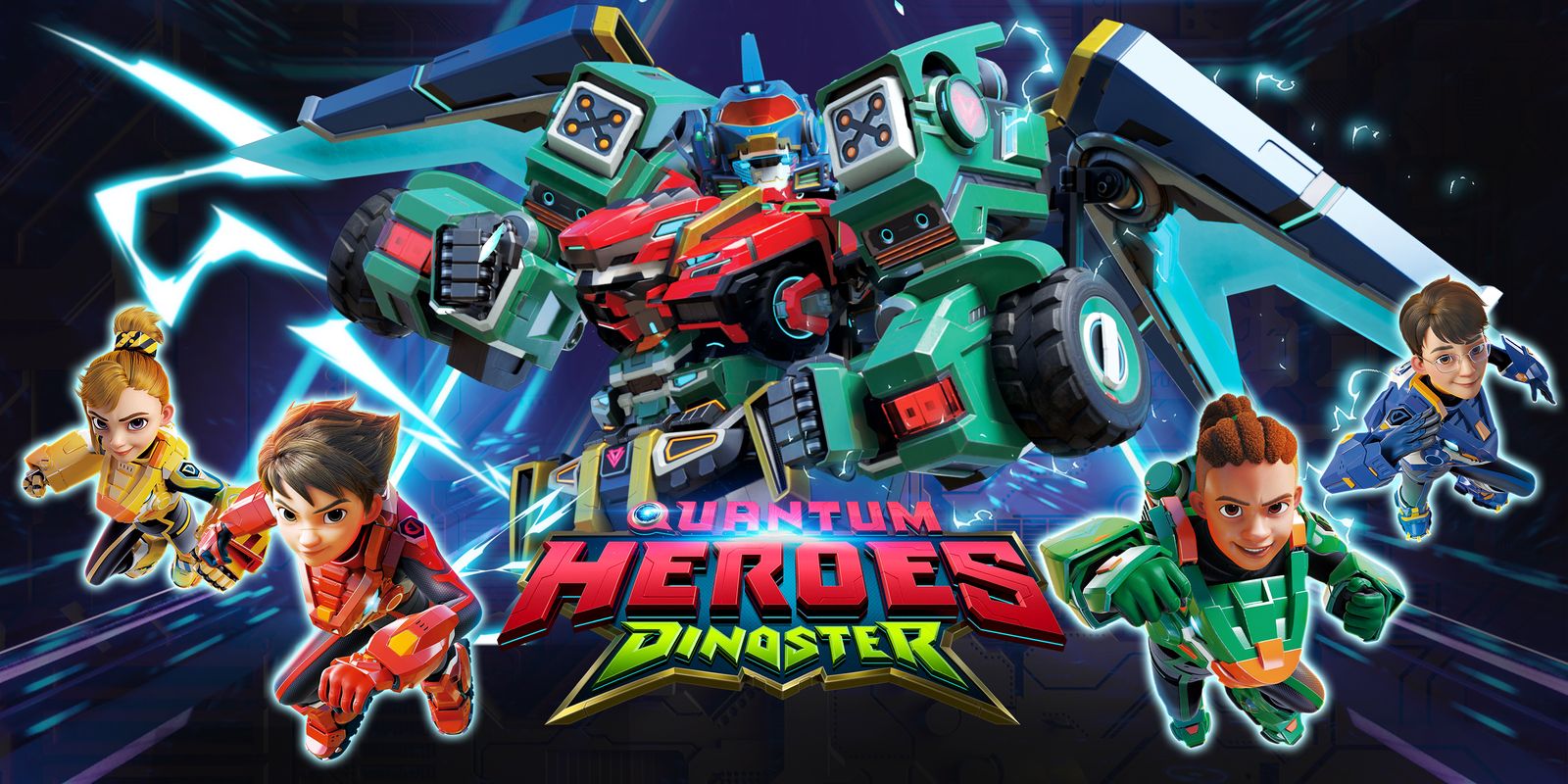
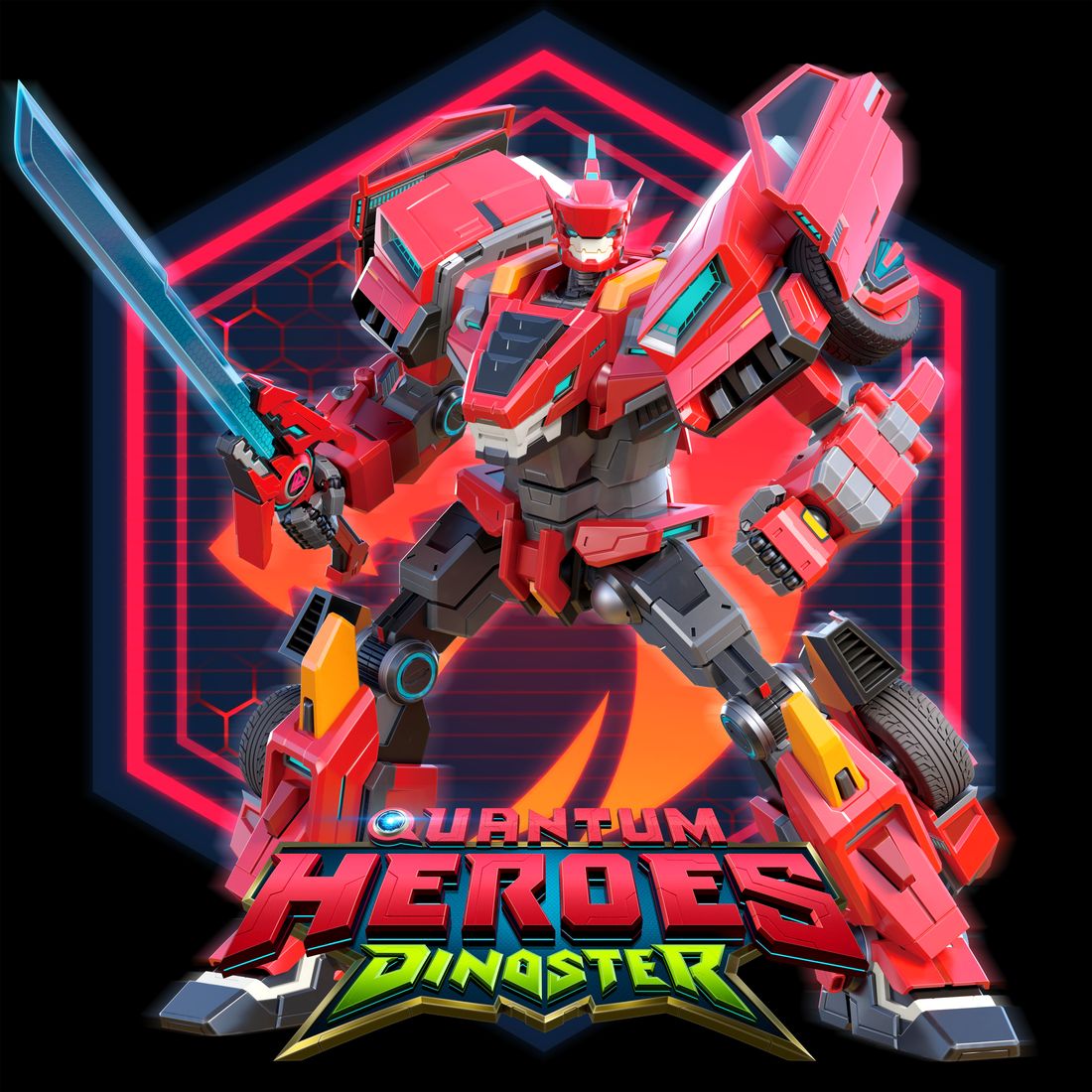
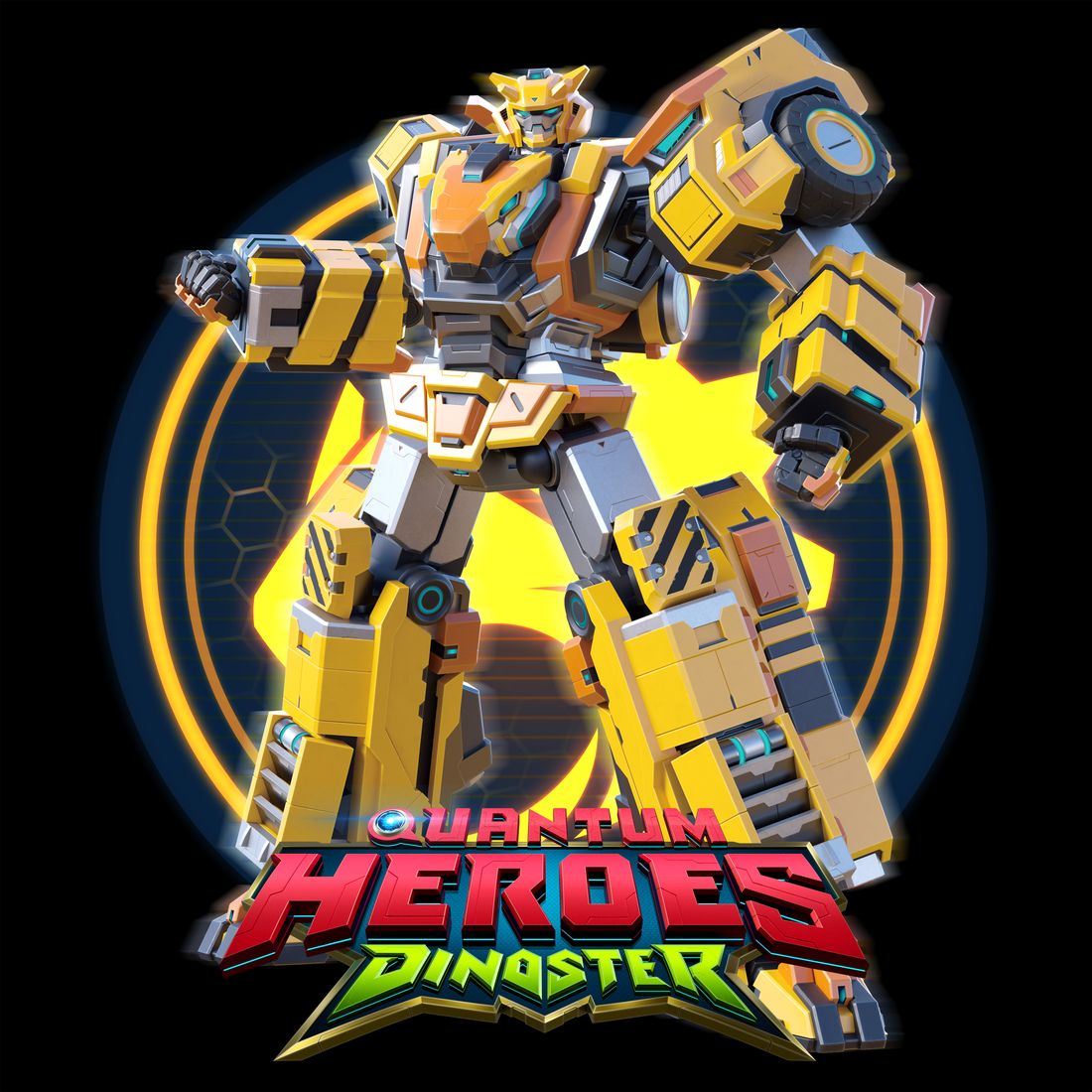
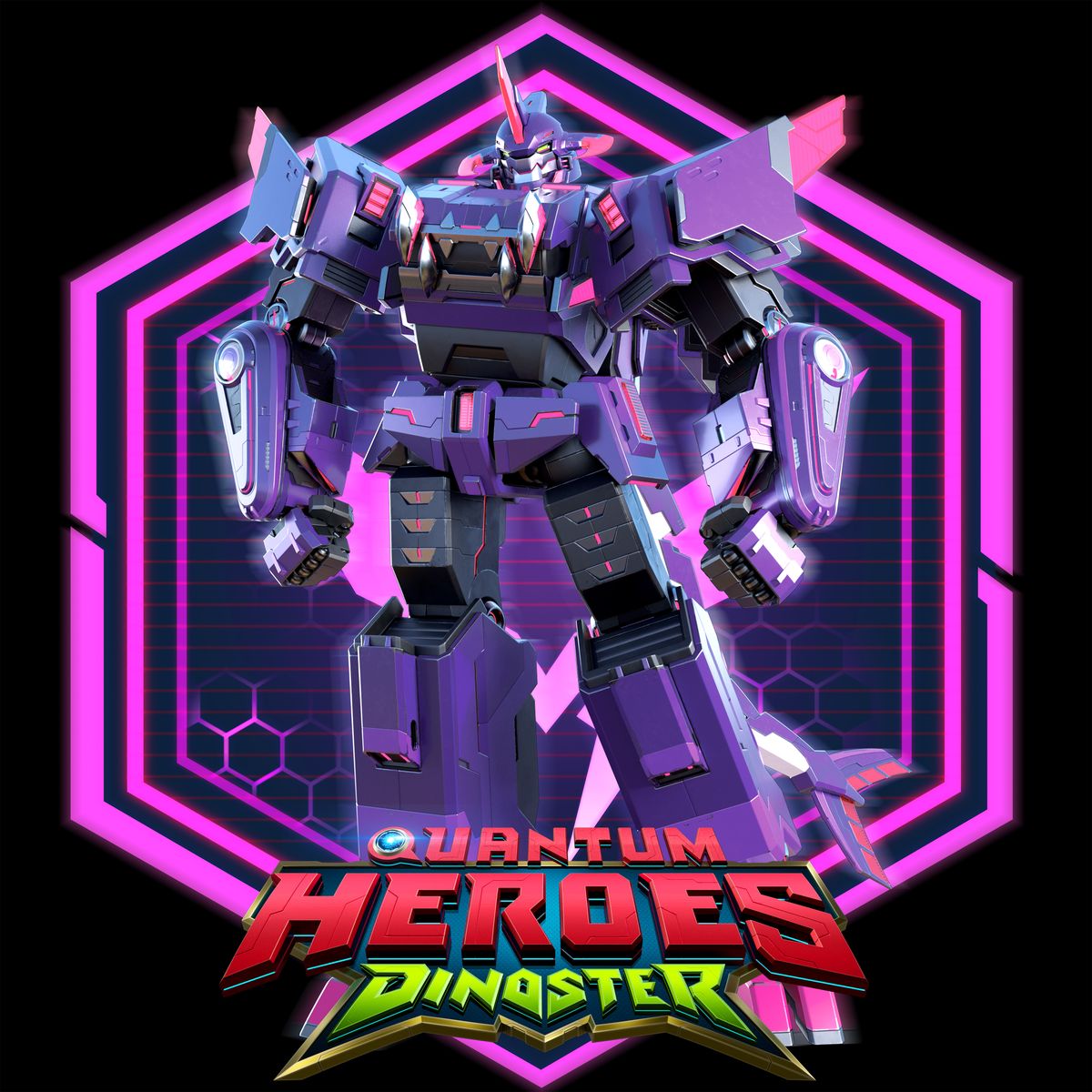
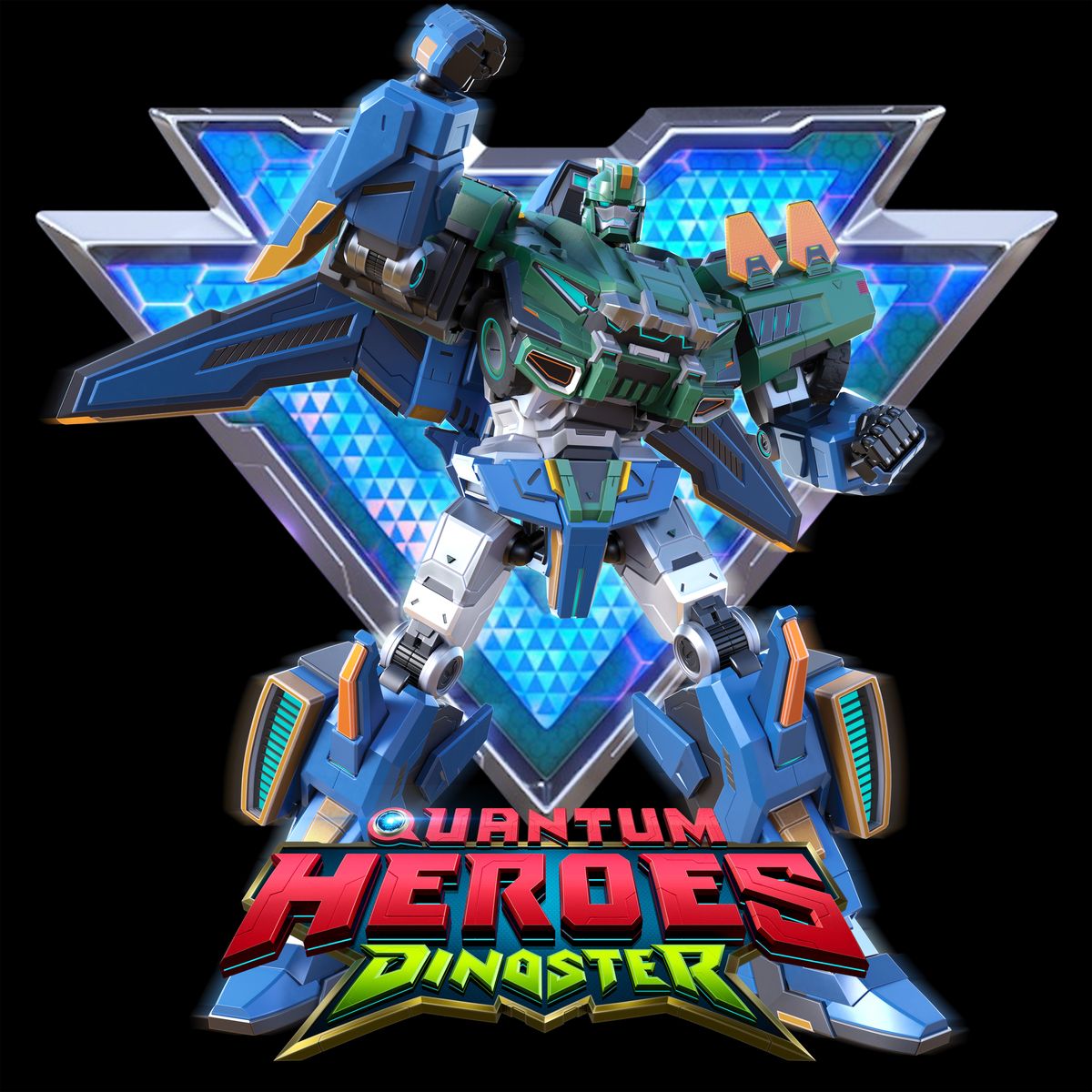
We are Quantum Heroes Dinoster
Quantum Heroes Dinoster is a line of transforming dinosaur robot toys built around a simple idea: on Dino-Earth the dinosaurs never went extinct, and somebody has to protect them. Four kids travel there in hi-tech quantum suits, drive transforming vehicles to protect the animals they find, and come home before the gate closes. Every box on this site is a piece of that mission.
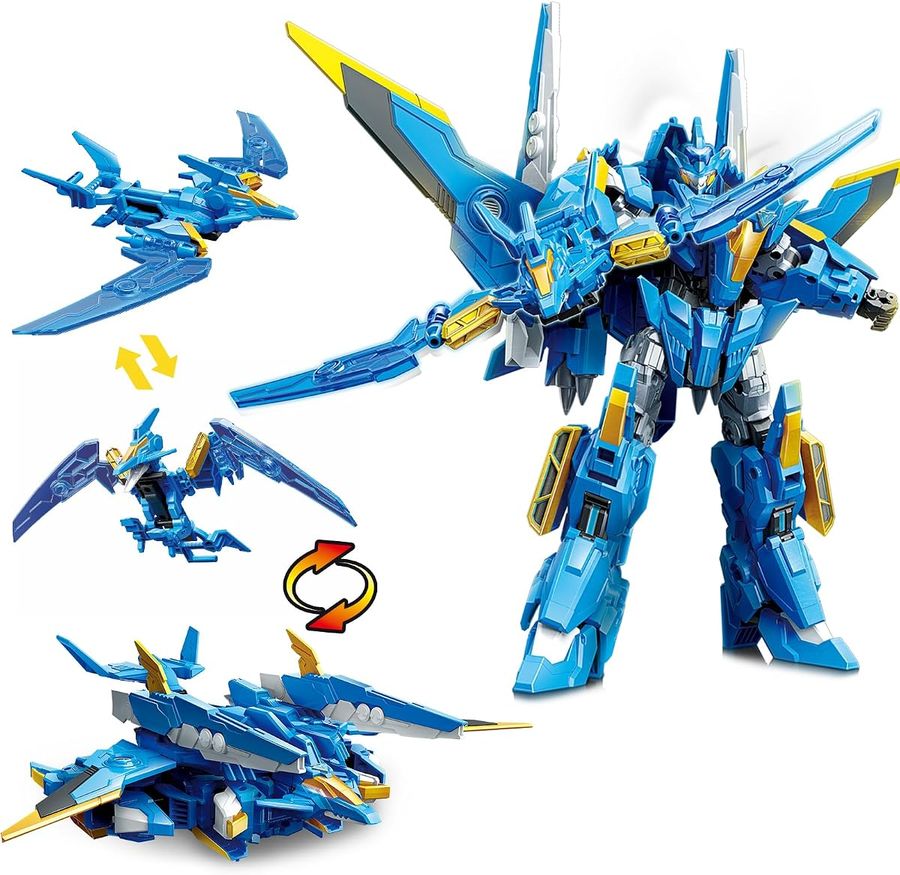
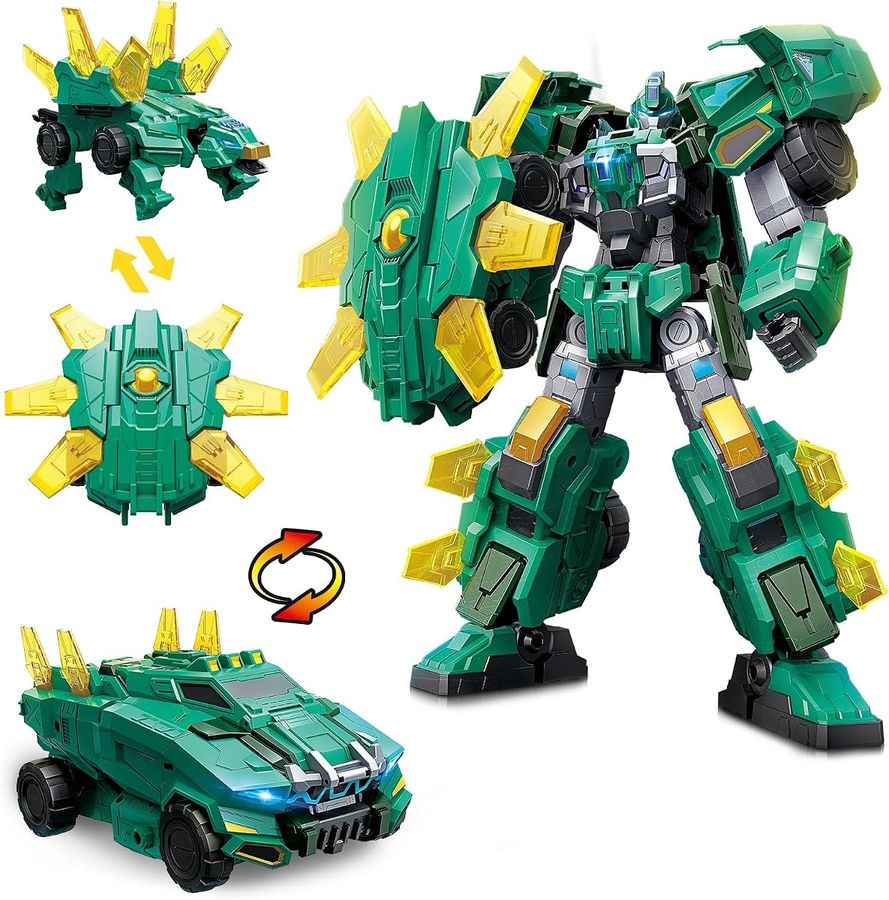
That is why our robots do not sit still. A Dinoster is a vehicle until a child decides it is not, and then it stands up. The change takes about six steps on the two-mode shelf, more on the three-mode builds, and a good deal more on the sixteen-inch Mega Metatron that the rest of the fleet is scaled against.
What a Dinoster actually is
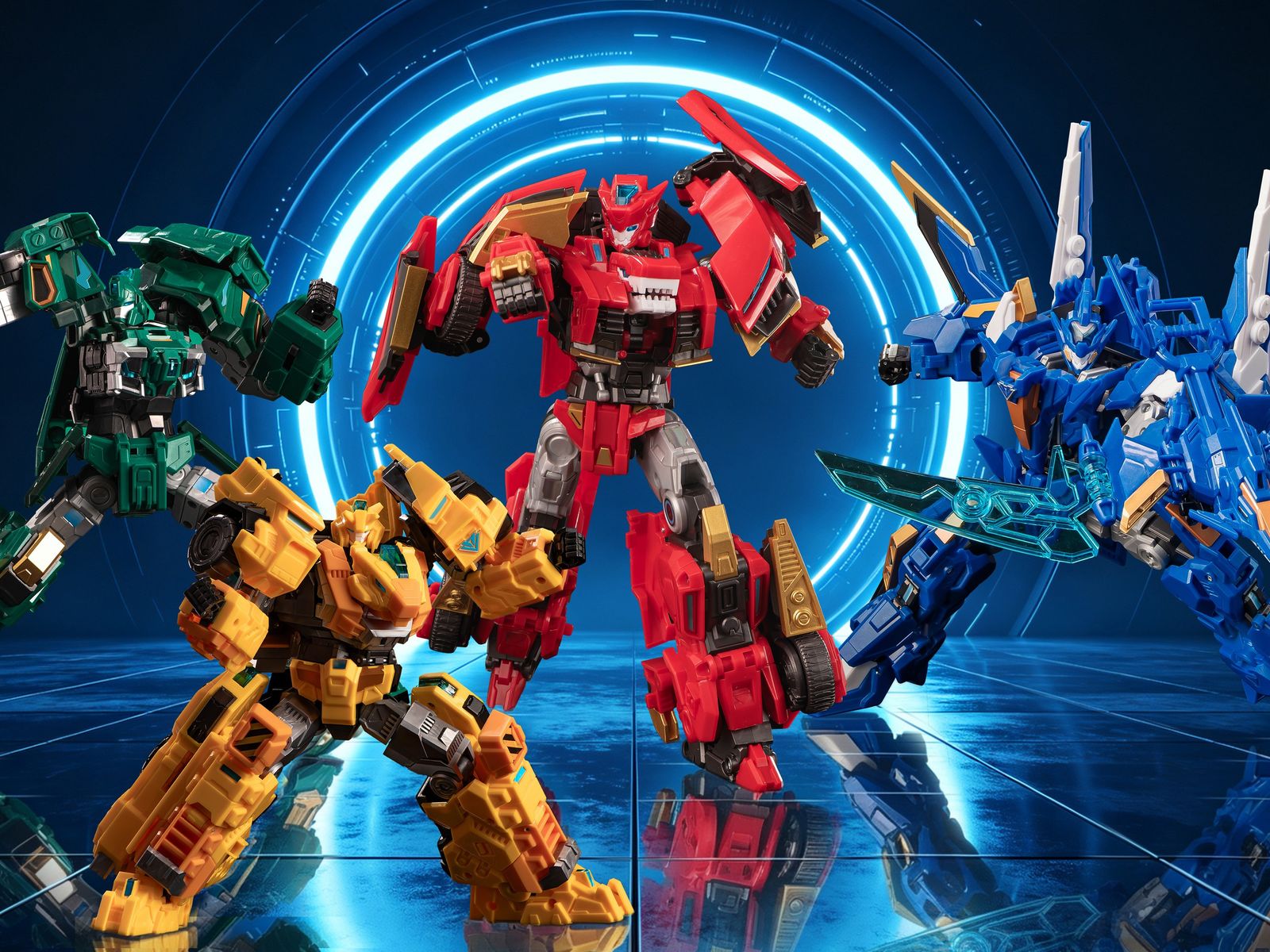
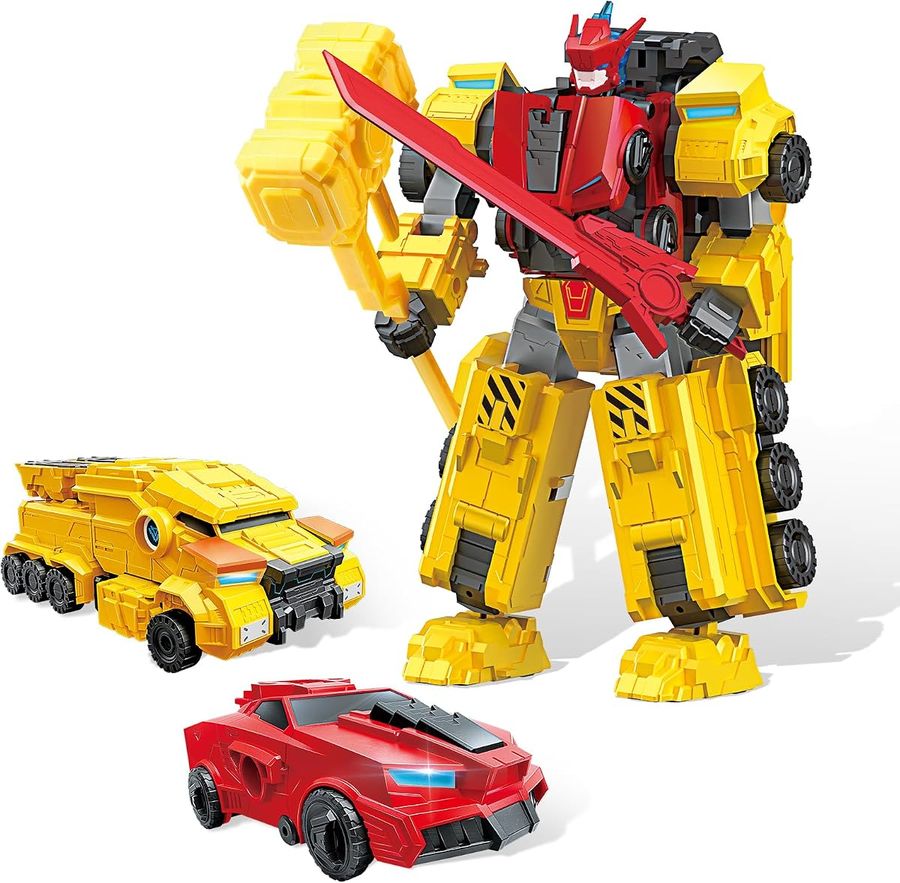
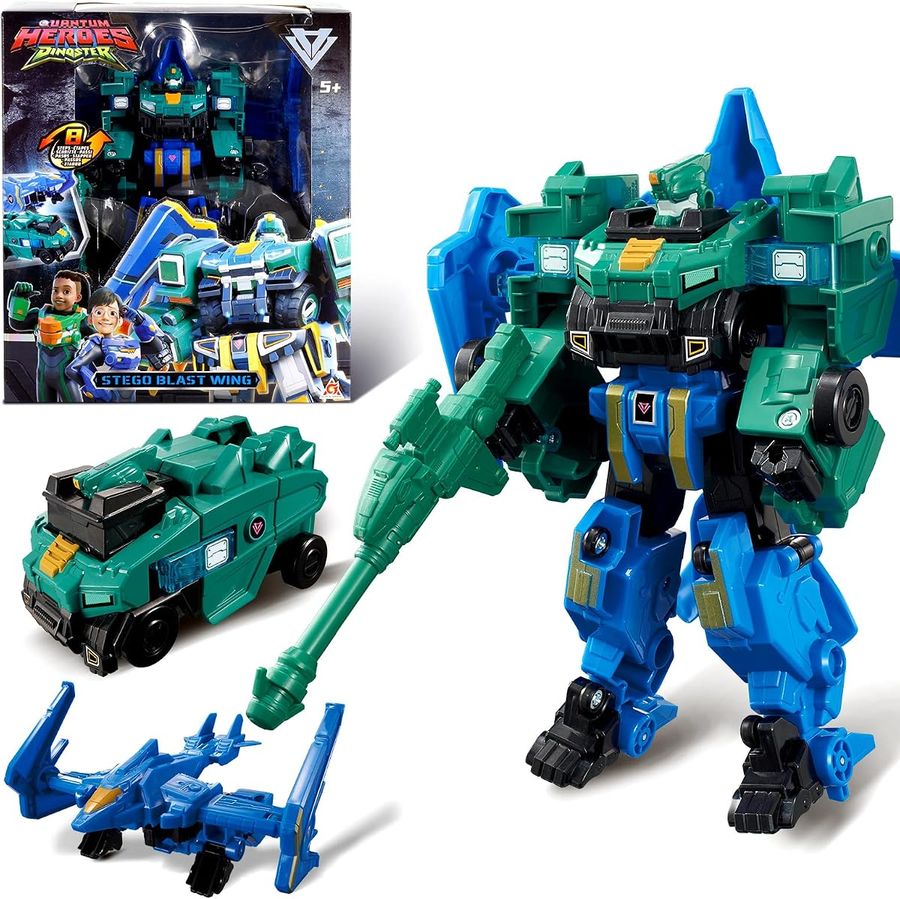
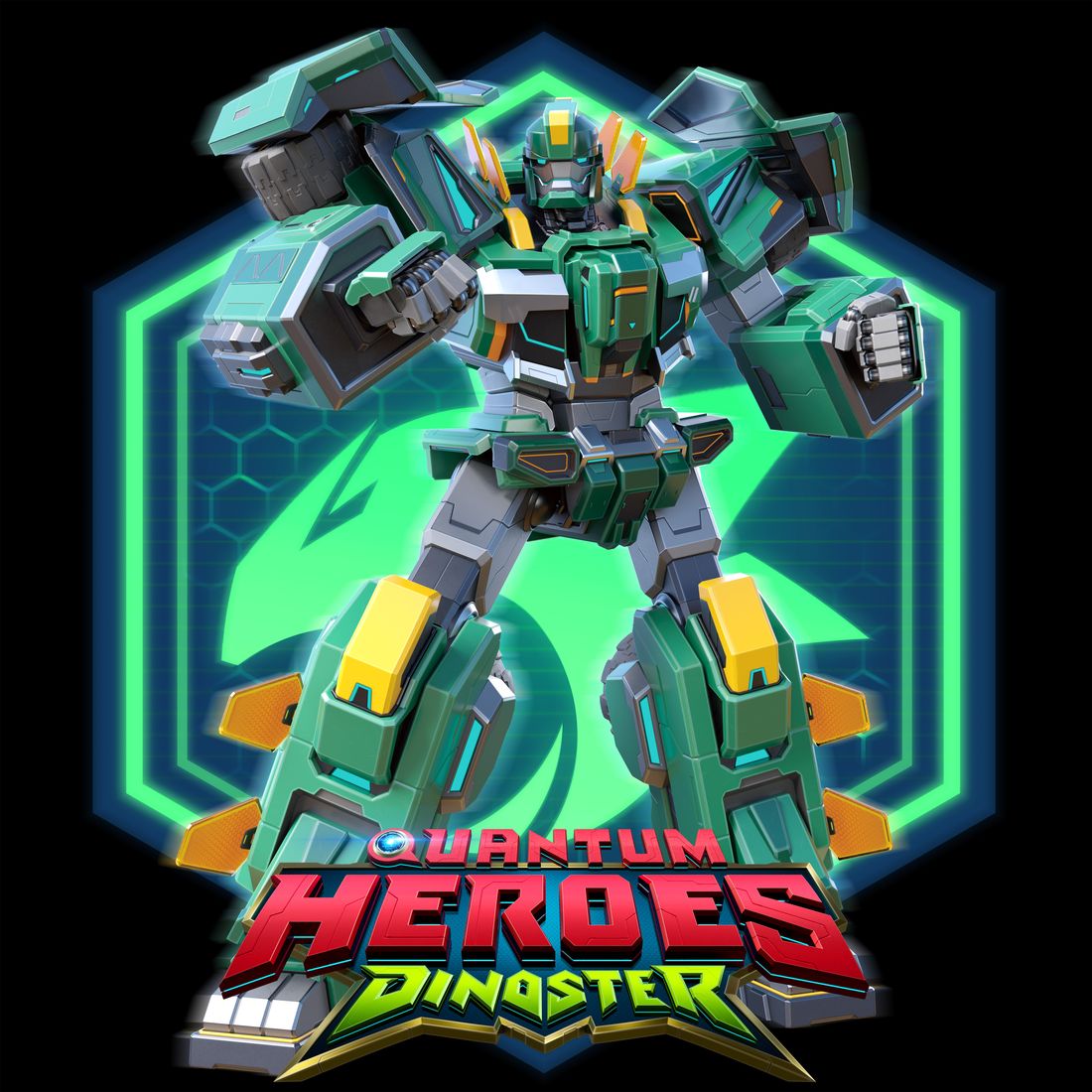
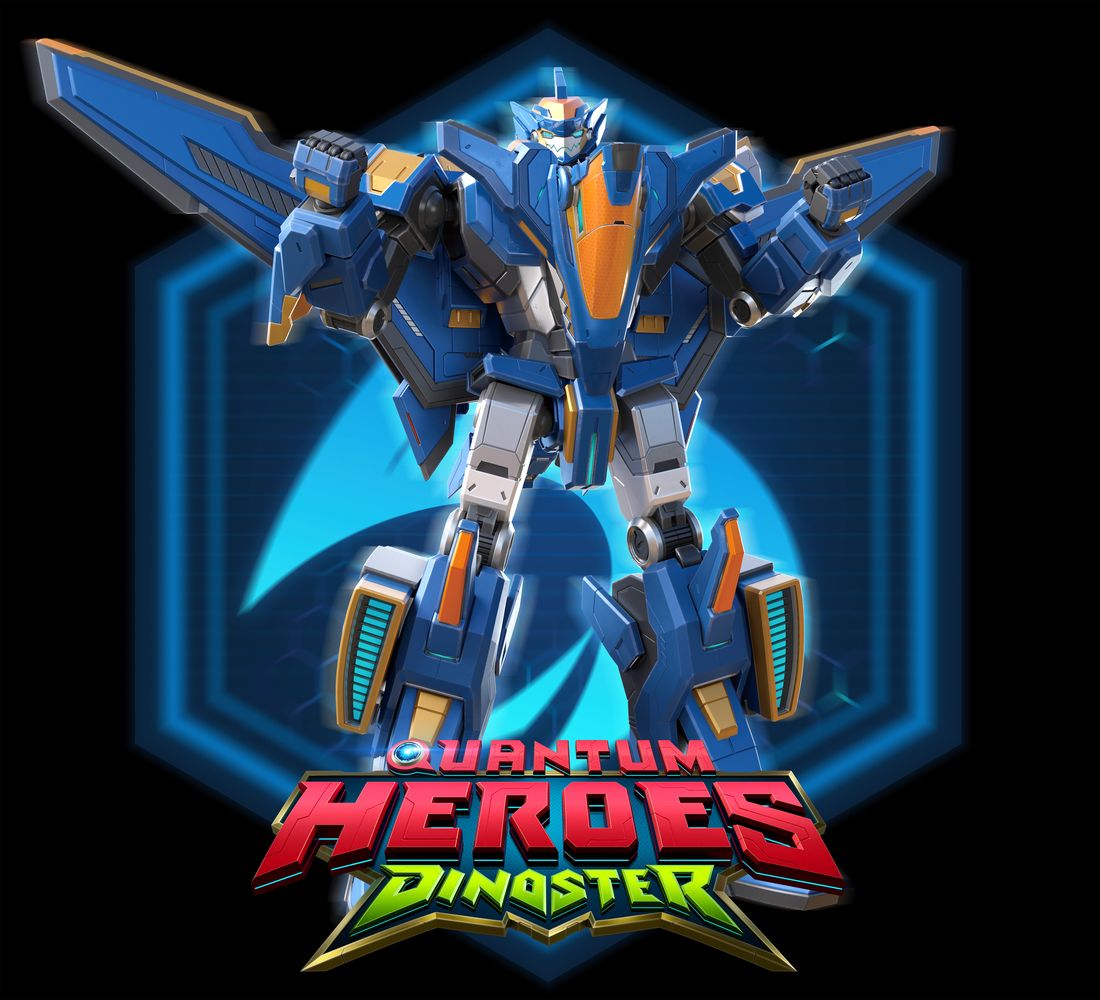
A Dinoster is a transforming robot named after the dinosaur it is built on. Raptor Tron and Raptor Chyron come from the raptor side of the team. Amber Strike carries Ankylosaurus armour. Stego Blast Wing splits into a vehicle and a jet. Mosa Storm comes out of the water. The name on the box tells you what the animal is before you open it.
The bodies are moulded ABS with polished, movable joints, sized from 7.28 inches up to 16.14 inches. Nothing in the line needs a battery, including the crew figures that carry light and sound. There is no battery door to lose and no cell to replace, which is the main reason these robots survive a real floor.
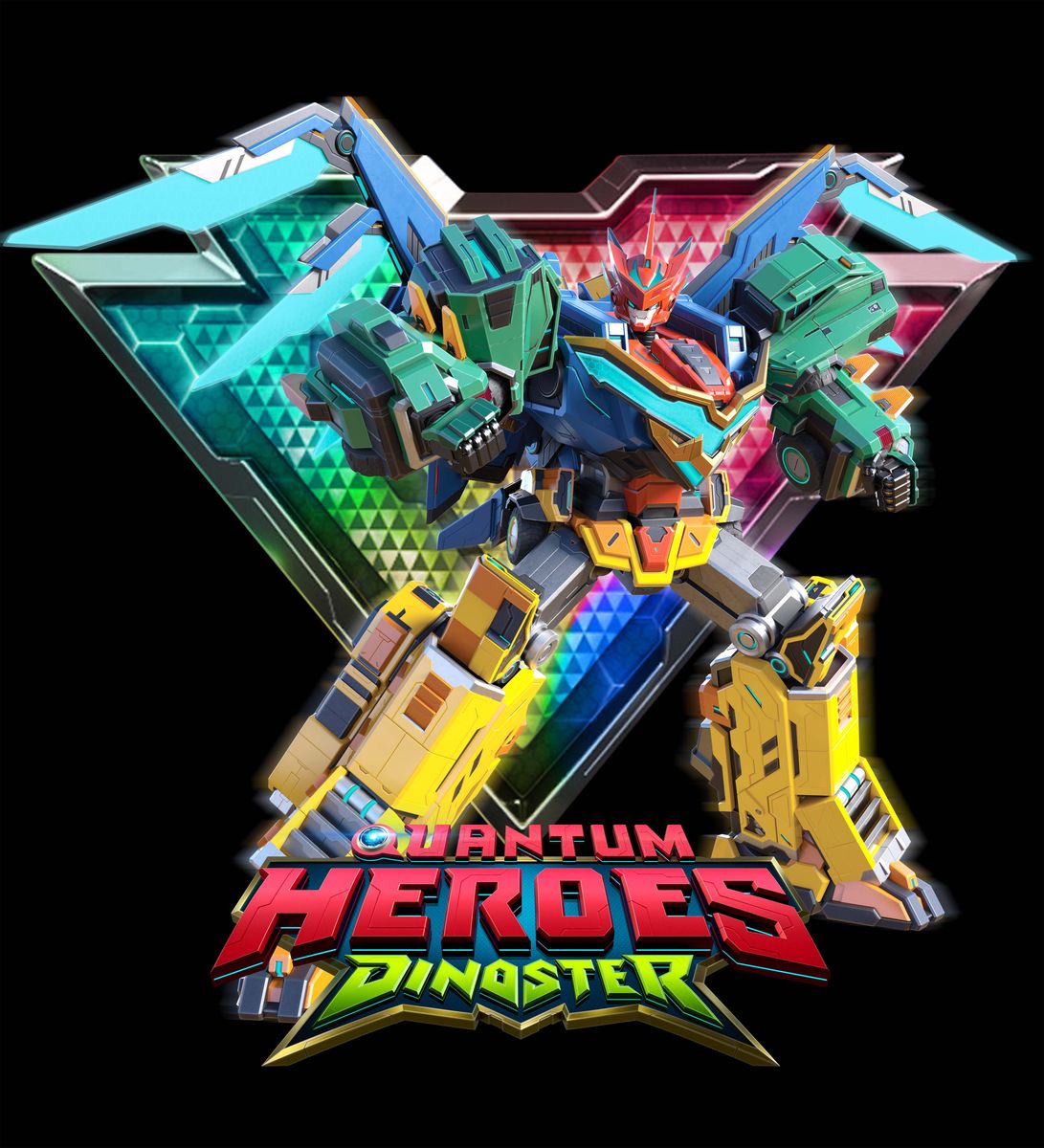
Mode count is the only specification here that changes how a child plays. Two modes gives a sequence to own. Three modes turns the sequence into a choice. Four modes splits the robot into separate vehicles and makes one box the centre of a shelf.
The crew, and who they fly for
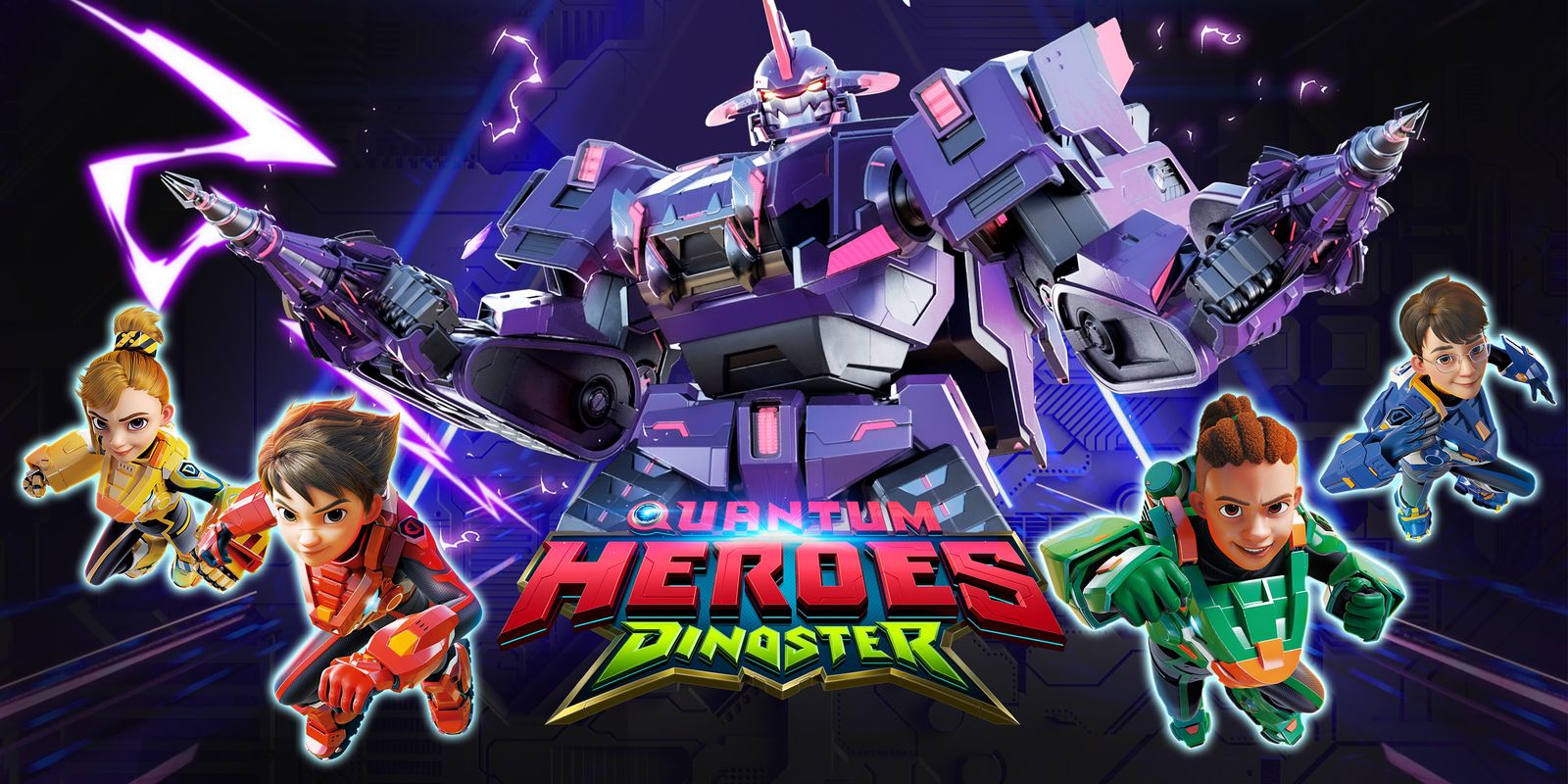
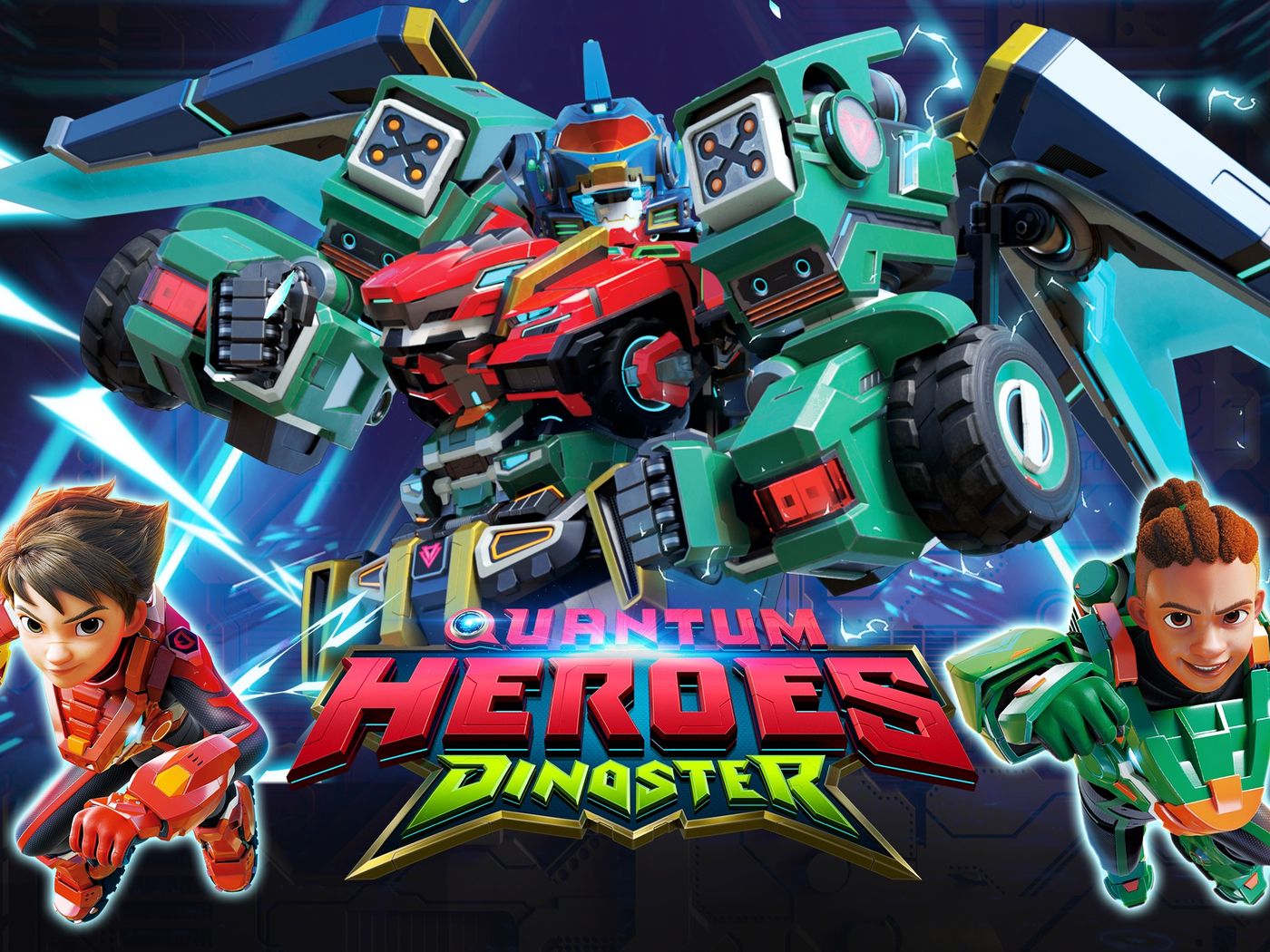
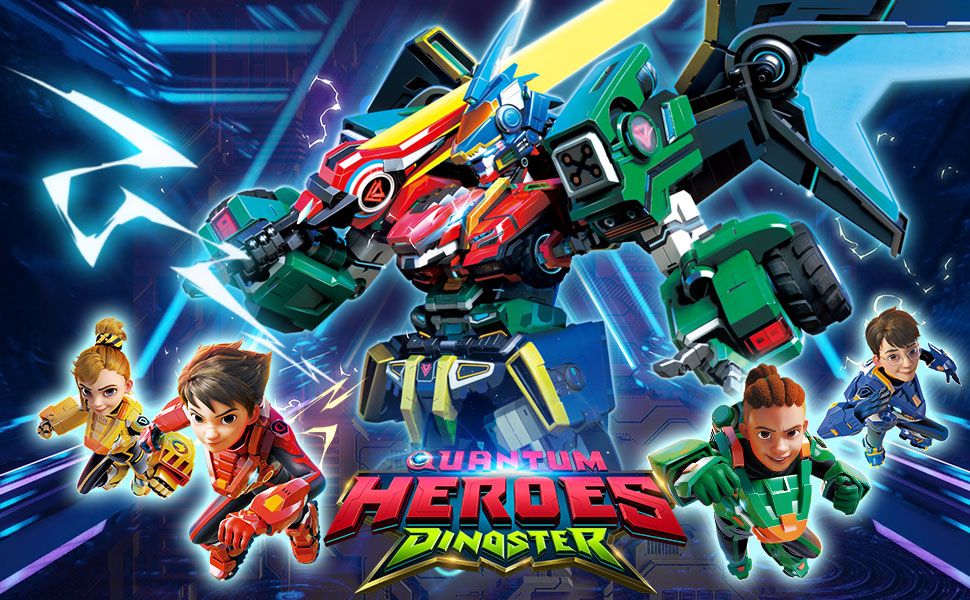
Lucio, Oz, Delby and Jay-Min are the kids who go through the gate, and each one is locked to a colour and a dinosaur: Raptor, Stego, Ankylo, Ptera. Trina Yang rides with Mosa. Professor Laura Liu runs the gate and decides which creature is in danger that day.
On the other side stands Bex Hunter, the villain of the series — a rogue scientist who wants to armour dinosaurs into cybernetic Armorsaurs and use them to take both worlds. The crew exists to stop that, which is why almost every episode ends with an animal walking away rather than a trophy being carried off.
The animated series premiered on 3 July 2023 and has run to three seasons and 78 episodes of about eleven minutes each. If a child arrives here already knowing an episode — The Triceratops Mess, Baby Raptor Rescue, The Great Iguanadon Migration, One Troublemaking Pterosaur Egg — the toy they want is usually the one from that episode.
How to move through this catalogue
Start with mode count, not price. A five-year-old meeting a transforming toy for the first time wants two modes and a sequence they can finish alone. A child who already runs that sequence from memory wants three. The Mega build is for the child who asks for something that takes more than a minute.
Then let the dinosaur decide. Children who watch the series rarely want a robot in the abstract; they want the plated one, or the one that flies, or the one that came out of the water. Our shelves are split so that choice stays visible.
Squad packs are the last step rather than the first. One robot transforms; two robots chase, guard and rescue. That is the half of the series a single box cannot reproduce, and it is worth saving for the moment a single Dinoster stops being enough.
The series behind the shelf
Quantum Heroes Dinoster was made in South Korea: the original is a FunnyFlux Entertainment series, released across China by Alpha Group, with the Educational Dinoster System on the credit roll. The shelf is one of the transforming vehicles the series put on screen before anyone cut a mould for it.
Four kids, one parallel Earth
Four kids travel through a quantum gate to Dino-Earth, a world where dinosaurs never went extinct, and they go back across each time trouble finds the dinosaurs they protect.
Four kids, four Dinosters — Lucio, Oz, Delby and Jay Min, in the order they join:
- Lucio — Raptor Dinoster, red suit
- Oz — Stego Dinoster, green suit
- Delby — Ankylo Dinoster, yellow suit
- Jay Min — Ptera Dinoster, blue suit
Hi-tech quantum suits and transforming vehicles are the whole kit, and Professor Laura is the one who green-lights a mission before the team travels.
Why there is a mission at all
Bex Hunter is the villain each season comes back to — a rogue scientist building Armorsaurs out of living dinosaurs and keeping them for himself. Taking a dinosaur back from him is the mission, and the shelf is one of the mighty builds a child joins it with when the danger shows up on a carpet.
Episodes that put the fleet team on screen
There are seventy-eight episodes across three seasons, and no episode runs longer than eleven minutes or so. The episodes below carry the fleet side of the mission the shelf sits in:
- The Teleporting Carnotaurus
- The Digital Dino Battle!
- Welcome to Dino Earth Part 1
- Dino-Sitting: The Toughest Mission of All
- The Classmate Lost in Dino Earth
- One Troublemaking Pterosaur Egg
From Welcome to Dino Earth to the showdown
Welcome to Dino Earth is where it starts; the Super Dino Suit is the mid-run upgrade; a Carnotaurus teleports through a school in the loudest eleven minutes of the run. Around those sit a baby raptor rescue, a pterosaur egg, a dino dentist, a living fossil fuss, a magnetic Mononykus and a giant Iguanadon migration.
Real dinosaurs, as the series draws them
Every robot name here points at a dinosaur the team has run into at least once. T-Rex, Triceratops, Brachiosaurus and a giant pterosaur or two are only the start of the bestiary:
- Triceratops
- Tarbosaurus
- Mononykus
- Tyrannosaurus Rex
- Titanoboa
- Hatzegopteryx
- Parasaurolophus
- Baryonyx
What a child picks up along the way
The shape of an episode never changes. The team studies what it found, learns the one fact that matters, and the danger is gone by the eleventh minute — keeping it that way is somebody else's problem. The English version keeps the original names, so the animal called a Triceratops here is a Triceratops in every country, and saving it is the mighty part. There is a magnetic dinosaur in here, a dino dentist and a baby raptor rescue — the writers reach for real animals first, pterosaur eggs included.
The English run, and what it costs to check
English-language viewers in the United States were handed the series on 28 August 2023, a few months after the original aired in South Korea. Nothing here needs the series to make sense, but the shelf is far easier to explain after eleven minutes of it.
How to choose Quantum Heroes Dinoster transforming dinosaur robot toys
Everything here converts, so the question is how many steps a child wants: two modes for a first robot, three when the sequence stops being a trick, four when the body is meant to come apart into vehicles.
The Quantum Heroes Dinoster line at a glance
Quantum Heroes Dinoster is the toy line of a South Korean series about four kids who protect dinosaurs on a parallel Earth. Every box is a transforming dinosaur robot: a vehicle that folds into something on two feet, sized between five and sixteen inches, moulded in ABS, with nothing to charge.